

Deuteronomy


As a new generation of Israelites were preparing to enter the promised land and dwell along with the Lord in Israel, Moses spoke to them. Deuteronomy is comprised of three speeches that Moses spoke to the second generation. This generation would have been told of the Law and started preparing for their promise but God renewed His covenant with them and reminded them of His Law. A suzerainty covenant is made between a stronger and a lesser party; God and the Israelites in this case. This document would be recorded and stored in a holy place to ensure it could be honored through generations.
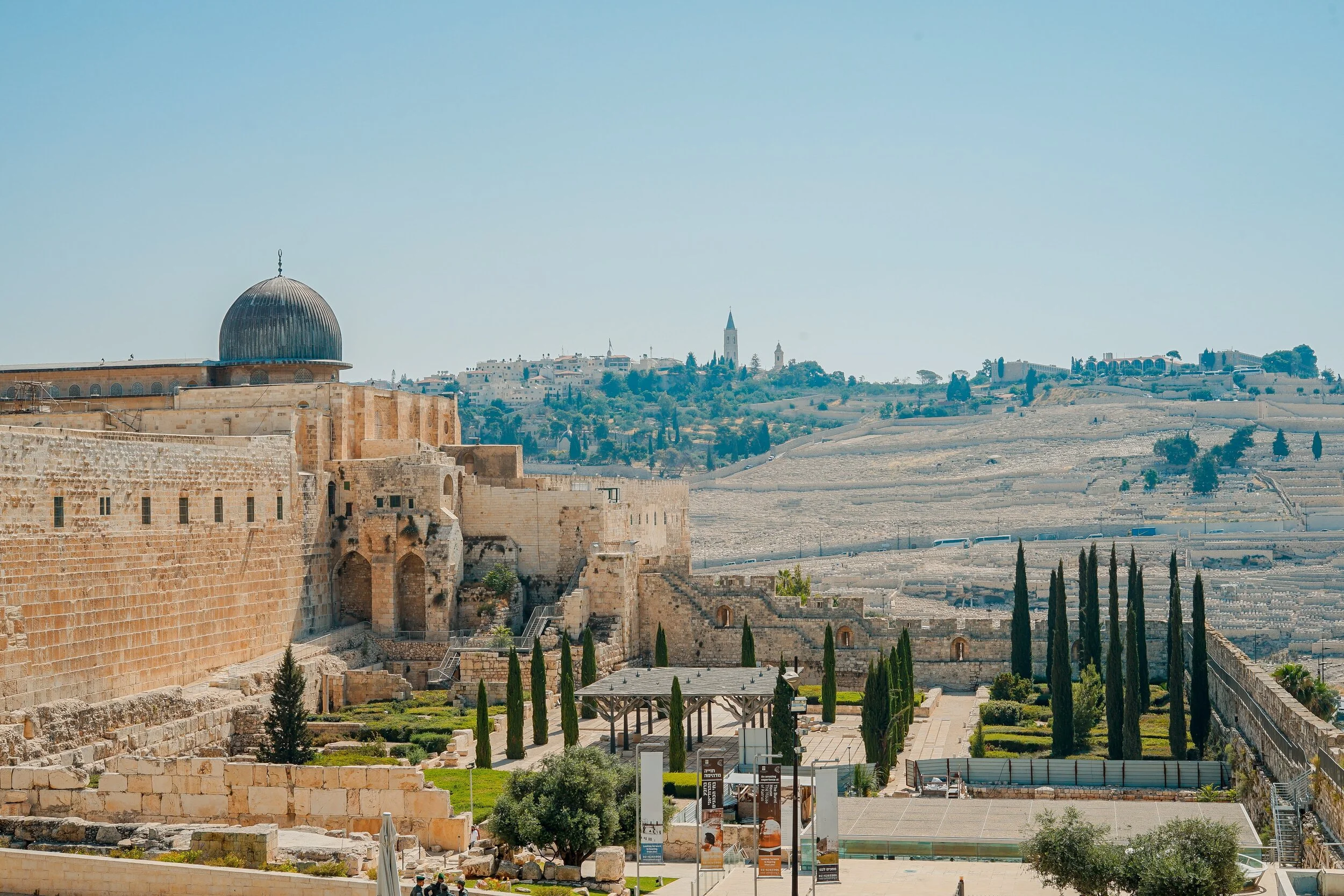
“See, I have set the land before you. Go in and take possession of the land that the Lord swore to your fathers, to Abraham, to Isaac, and to Jacob, to give to them and to their offspring after them.”
In the beginning of Deuteronomy Moses reminds the people of all that God had done for them in Egypt and the wilderness. This reiteration of God’s faithfulness is significant because they were being faithless most of the time as they moved through the wilderness. These first chapters set up God as King of Israel. He took care of them. He appointed leaders and made Moses His prophet so He could communicate with them. He fought for them when He sent them to take over land. He did not leave the Israelites to do any of it on their own even when they acted like He wasn’t there. This is where we see God’s heart in all of it. Deuteronomy goes over many laws once again, but it’s also deeply saturated in God’s love and His heart for Israel. He is always faithful.



As Moses transfers leadership over to Joshua, the Lord continuously reminds His people not to fear. They are headed into His promised land and God tells them He will be with them and fight for them. It’s a constant reminder to Joshua and the Israelites that none of their success lies on them. God speaks through Moses in the first chapters of Deuteronomy to make it clear that He had already been with the people through so much and He wasn’t going to leave them now as they sent them into their new home. God had a specific plan for Israel and He wasn’t asking them to do it without Him. Look out for this repeated phrase within Deuteronomy and Joshua and ask why God would use this statement so much during this transition.

“For what great nation is there that has a god so near to it as the Lord our God is to us, whenever we call upon him? And what great nation is there, that has statutes and rules so righteous as all this law that I set before you today?”
Deuteronomy is the reiteration of God’s Law. This book is filled with conditional statements and blessings and curses. The word covenant is often repeated because that is what God’s Law is: a covenant between Him and the Israelites. In this book, the Lord gives a command then tells the people what will happen whether they obey or disobey. He always gives them a chance to redeem themselves if they mess up, He tells them He is merciful, that they are His inheritance. What He wants is to love the Israelites and to be loved by them.

Deuteronomy addresses the next generation of Israelites and was recorded so that the laws the people received would be passed down and remembered through all generations. Throughout the text there are references to many generations. God says He would want their hearts to be open to Him through all descendants of Israel forever (5:29), that their sons and their son’s sons would also keep His commands (6:2), and that they would teach their children of His word (6:7). This wasn’t something that lasted only for a while, this Law was meant to be a part of their culture so that they could live close to Him forever. Many laws that were written in Exodus and Leviticus are repeated in this book but it’s important to understand the context, that God is commanding a new generation to follow Him. He was making it personal. Ask why He would want to repeat these laws as He showed the people His heart for them.
God chose the Israelites out of all the nations of the earth to carry His promise. He specifically tells them it was not because of anything they or their ancestors did but because of who He was. What He could do and show through them. One way He would show His mighty works through them was by setting them apart from the rest of the world. In chapters 6 and 7, God goes into how He saved the Israelites from slavery, how He brought them out through His power, and how He was going to drive out the nations from the promised land so they could live there. Through these actions, He was also asking the Israelites to be different than these other nations. He gave them His Law so they could be close to Him and be set apart as an example.

Great Blessings
This is a book of blessings and curses, the covenant between the Israelites and God. In Chapter 7 God gives examples of how the people would be blessed when they kept His commands. Throughout Deuteronomy keep track of the blessings and curses and use them to see God’s fulfillment of His word through the rest of the Old Testament.
steadfast love
blessings and multiplication
blessed wombs and ground
increased herds and flocks
blessed above all people
no sickness or disease
consume other nations
God repeatedly asks the Israelites to remember Him and all that He had done for them. He gives them examples of how He helped them out of Egypt and even kept them safe through their wandering in the wilderness. Why would it be so important for the people to continue remembering those first years as free people with God? Why would the author find it necessary to repeat this idea throughout this book, and how could this be significant to the early reader of this book?


Repeated through chapter 9 are the words remember and rebellion. Moses was reminding the Israelites that God has made a promise to their ancestors but kept it because of who He was, not because of who they were. Plenty of times, as we have read, the Israelites messed up but the Lord’s mercy and faithfulness was greater than their sin. The wickedness of the other nations, and the need for a relationship with God was too great. God provided the Law so that the Israelites could be close to Him. So they would remember what they had done in the past and who God was through it all. This brought them to be aware of their need for forgiveness and God’s goodness in providing it. Think about the Israelites view on His Law and their response to it through the Old Testament.
Circumcision was the sign of the covenant made between Israel and God. In chapter 10, the people are told to circumcise their hearts. God wanted their hearts to be the sign that they were His also. Constantly through the Bible the timeless truth that God looks at the heart can be found. More than anything, He gave the Law to draw near to the hearts of His people.
Great Blessings
God was giving the people the conditions of His covenant, when they followed His command they received great blessings.
rain in season
grass in fields
eat and be full
days multiplied
disposes greater and mightier nations
none shall stand against
Serious Curses
When the Israelites disobeyed the word of the Lord and sinned, there were also curses that came. God continuously tells them that He is a jealous God and when the people show that they do not want to be near Him, His anger is shown and He punishes their sin.
no rain or fruit
perish quickly

This section of the text leads straight from the section before. God has told the second generation of Israelites that they need to remember what He had done for them and how their parents had responded and do better. Now He is ensuring that they won’t fall into idolatry or the worship of false gods as the nations around them were constantly doing. This relationship He was establishing with them was supposed to be personal. It was a blessing for Him and them and when they followed His commands, which He was giving for their own good, they would be living better than they could imagine. The Lord tells the Israelites to tear down all the places of worship that the previous nations left in their promised land so they would only have eyes and hearts for Him.

God’s promised blessings came from the Israelites following His commands. God’s word to them was good, He gave the Law to protect them and set them apart. Just like in Genesis when He gave Adam and Eve the instruction not to eat from the tree of knowledge of good and evil but didn’t force them. He was telling them what would be best for them, the blessing being the garden. Now the Israelites had the Law to know what was best for them, the blessing being abundance in the promised land. God gave them clear instruction and asked the people to also bless one another as an extension of their blessing from Him. Why would God want them to do this for each other? How does this relate to Genesis? Why would the Israelites need to hear these laws again before entering the promised land?
Deuteronomy continuously brings up the theme of God’s chosen. The Israelites were His chosen people, the Levites His chosen priesthood, and here, the land He chose would be the place for their sacrifices and worship. Israel was the land that God would be giving to the people, and the places He chose were the places they were meant to honor. Whether through their sacrifices and their festivals, or their blessing of people and judgement. God’s choice was above all. Why would this be significant to the Israelites preparing to take the promised land? Why would it be recorded so that future generations would also see God’s choice in their land?

Justice becomes extremely important throughout the Old Testament. In the prophets we will read of God’s impending judgement, and here in Deuteronomy we get the first glimpse of His justice as He governs the people in the way to make decisions and judge for themselves. Why would God trust the people to be judges? What do God’s laws around judgement speak of His character? Why would justice be an important value for a nation to hold on to?

Moses speaks to the people in chapter 20, preparing them for war. This should have been spoken to the Israelites forty years earlier after the census was taken and God was initially preparing them to take the promised land. God was promising them success and would have promised this to the first generation of Israelites in the wilderness as well. He had already told the people He was going to fight with and for them and give them the land of the Hittites, the Canaanites, the Amorites, the Perizzites, the Hivites, and the Jebusites. Why would God make the distinction between the nation’s land that He had specifically promised the Israelites by name and the nations He had promised would expand their territory?

The rest of this section mainly deals with civil justice, ensuring that when someone was harmed there would be consequences. The Israelites had not lived on their own as a nation before, they had only lived together under the government of Egypt, which God was taking them away from and shaping them to be different than. What values do these laws show that God wanted to bring Israel into their promised land with?


The Law seems centered around three main ideas: be holy, be blessed, and remember. They all fit together and go hand in hand but they also have their own reasonings behind them. This portion of the text definitely cycles through these themes, each paragraph ending with one of these commands. Look at the text and ask which of these values God is encouraging the people to follow and align with and ask why He would do it this way. What is the purpose of the Israelites being holy? Why would God give conditions for their blessings? Why would remembering be good for them when they lived in their promised land? Why would all of this need to be recorded for future generations to read and understand as well?
There are plenty of laws to go into in this book and if you have any questions feel free to reach out to me. I have lots of resources that I link to on the tips and tricks page, and I also have Bible Dictionaries and friends to reach out to help try and answer any questions you may have about God’s specific laws.

Day 60
Deuteronomy 26-27
The second generation of Israelites were being reminded of God’s faithfulness to them in the past and being promised that He would be faithful in the future. To worship Him and thank the Lord for this, Moses told them to offer the first fruits of all their promised land and to bless those that did not have property of their own. Moses reminds the people of how they carried God’s promise and where God was in the midst of each moment.






Deuteronomy is the book of blessings and curses, the covenant between the Lord and Israel, and the conditions of that covenant. God clearly showed the people the Law they must follow in order to be in His presence and be blessed by Him. In chapter 27 we read that the Israelites agreed to the curses that He gave along with the blessings. The Israelites knew what God asked of them and knew that the consequences were there for a reason and what they would be. This gets laid out even more plainly in a few chapters, but why would there be two mountains: one to hold the blessings, and one to hold the curses? Why would the people agree to the curses God promised if they were not faithful?

Great Blessings
The conditions of God’s covenant are clearly laid out in chapter 28. If the people followed His commands, He would bless them.
set above all nations
blessed in the city and fields
blessed fruit of your womb, ground, and cattle.
increased herds and flocks
blessed basket and kneading bowl
blessed coming and going
enemies defeated
established and holy to God
all the earth see and fear
abound in prosperity
rain in season
bless work of hands
lend to nations, not borrow
head, not the tail
go up, not down
Serious Curses
If the people disobeyed His commands and strayed away from Him, His curses would overtake them.
cursed in the city and fields
cursed basket and kneading bowl
cursed fruit of your womb, ground, herds, and flock
cursed coming and going
confusion and frustration
perish quickly
pestilence, disease, fever, inflammation, heat, drought, and blight with mildew
rain turned powder
defeated by enemies
horror to all the earth
dead bodies food for birds and beasts
boils, tumors, scabs, and itch that cannot be healed
madness and blindness
oppressed and robbed continually
no one will help
betrothed, not marry
build a house, not dwell in it
plant vineyard, not enjoy its fruit
ox slaughtered, donkey seized, and sheep given to enemies
sons and daughters given to another people
live in unknown nation
serve other gods
locust, worms, and crickets consume food and drink
no oil
sojourner shall rise higher
borrow, not lend
tail, not the head
eat your own sons and daughters
turn against each other
every sickness and affliction
left few in number
scattered
no respite among nations
no assurance of life
back to Egypt
offered as slaves and not bought
When comparing two lists like the ones made from chapter 28, you can ask lots of questions about the text to observe and interpret. To dig deeper into observation you can ask if the lists are exhaustive or if there are other elements left unsaid. Do they cover the same topics and are they the same length? Here the lists are not the same length, the curses told to the people are much more extensive. Why would that be? Why would there be so many specific curses? Why would the Israelites even need curses included in their covenant with God? How would the people feel when hearing all of these promises?

God was establishing His covenant with all of Israel. Not just the people that heard Moses’ speech before entering the promised land, all generations of Israel. The covenant was to be taught to and followed by future generations so that God’s relationship with the people flourished and He could continue to dwell in their midst. This is part of the reason that the curses were so important. Not only was God offering life and prosperity when they followed His law, He was showing them that life without Him was not what they wanted. That the curses came when He was not being honored and could no longer remain among them. The future generations were invited into a relationship with Him right away and, by following God’s commands, stayed near Him always.

The blessings and curses the Lord told Moses to speak to Israel were a matter of life and death. When the people chose to obey God and receive blessings, they would live. When they turned away from God and He cursed them, they were faced with death. God’s Law were structured to keep the people holy and clean and to ensure their nearness to Him. Their disobedience of His commands led to sin and that always leads to death. How does The Law and the Israelite’s choices connect to the story of Adam and Eve in Genesis?
Joshua
Joshua had been with Moses since the Exodus., in Exodus 24:13 it says he was Moses’ assistant. He was with Moses and the elders of Israel when they saw God’s glory on Mount Sinai. In Exodus 33:11 it says that when Moses would leave the Tent of Meeting, Joshua would stay. Joshua was one of the twelve spies that went to check out the promised land, and he and Caleb were the only ones to believe God would give them the land even though the people living there intimidated the others. Joshua was a young man seemingly ready to take over leadership from Moses but here in Deuteronomy and through the next book, we read God telling him to “be strong and courageous.” Why would he need this encouragement? Why was it significant that Joshua was commissioned to lead Israel?
The song for the Israelites to remember the Lord is filled with imagery. You can pull out different descriptive words and ask why they would be used to convey the message. Would they be more familiar to the Israelites of the time than other words? What are the ideas comparing and what meaning does that bring? One word used throughout this song is “rock.” God is the Rock of Israel, greater than any god that others placed their trust in. This is what the song is about. The people could trust God and lean on Him and prosper. When they didn’t, the rocks they did trust were not enough to bless them. Even Moses learned this when he chose to find water for the people on his own. He got to see the promised land but didn’t enter it because he trusted himself over God at one point.


Day 63
Deuteronomy 33-34

God became King of Israel after giving them the Law and promising to protect them. He was sending them into the promised land claiming victory. The people that had started off as twelve brothers were now twelve tribes. Moses blessed each tribe before he died and these blessings can be compared to the blessings Jacob gave his sons at the end of Genesis.
Genesis 49
Reuben - first no longer
Simeon + Levi - cursed anger and wrath, scattered
Judah - brothers praise, scepter not depart
Zebulun - borders extend to the sea
Issachar - submit to hard labor
Dan - govern, snake
Gad - attacked but will attack when they retreat
Asher - dine on rich foods
Naphtali - bears beautiful fawns
Joseph - blessing surpass ancestors, prince among brothers
Benjamin - devouring enemies, dividing plunder
Deuteronomy 33
Reuben - men be few
Judah - God contend for him
Levi - teach Jacob the Law
Benjamin - dwells in safety
Joseph - choicest gifts from heaven, prince among brothers
Zebulun + Issachar - offer right sacrifices, abundance of sea and treasure of sand
Gad - executed justice for the Lord
Dan - leaps from Bashan
Naphtali - sated with favor and blessing, possess the lake and south
Asher - favorite of his brothers, strength
The blessings go in different orders here, why would this be significant? What could it mean? These blessings are preparing the Israelites to enter the promised land. Just like the blessings in Genesis were good to look back on as we continued reading, these blessings will be too. Even as we get into the prophets we will be able to see these blessings at work in the lives of the Israelites.

God used Moses in incredible ways through his life. Deuteronomy says that there has never been another prophet like him. Though Moses was used uniquely by God, he wasn’t the only person to be used. Moses left the leadership of Israel to Joshua. He blessed him and God filled him with His spirit so that he could lead and speak with God’s authority. Why would Moses be unique in the role God gave him? Why would it be important to Israel for Moses to have had that role? Why would God’s spirit need to be with Joshua in order for him to lead the people of Israel? What would this fact show the later generations of Israelites reading Deuteronomy?

You Finished Deuteronomy!
Now that you have finished observing and interpreting, I would encourage you to reflect on the timeless truths you have found in the Word and to apply it to your life. Here are some questions to help bring Deuteronomy home.