Exodus

Exodus Collection
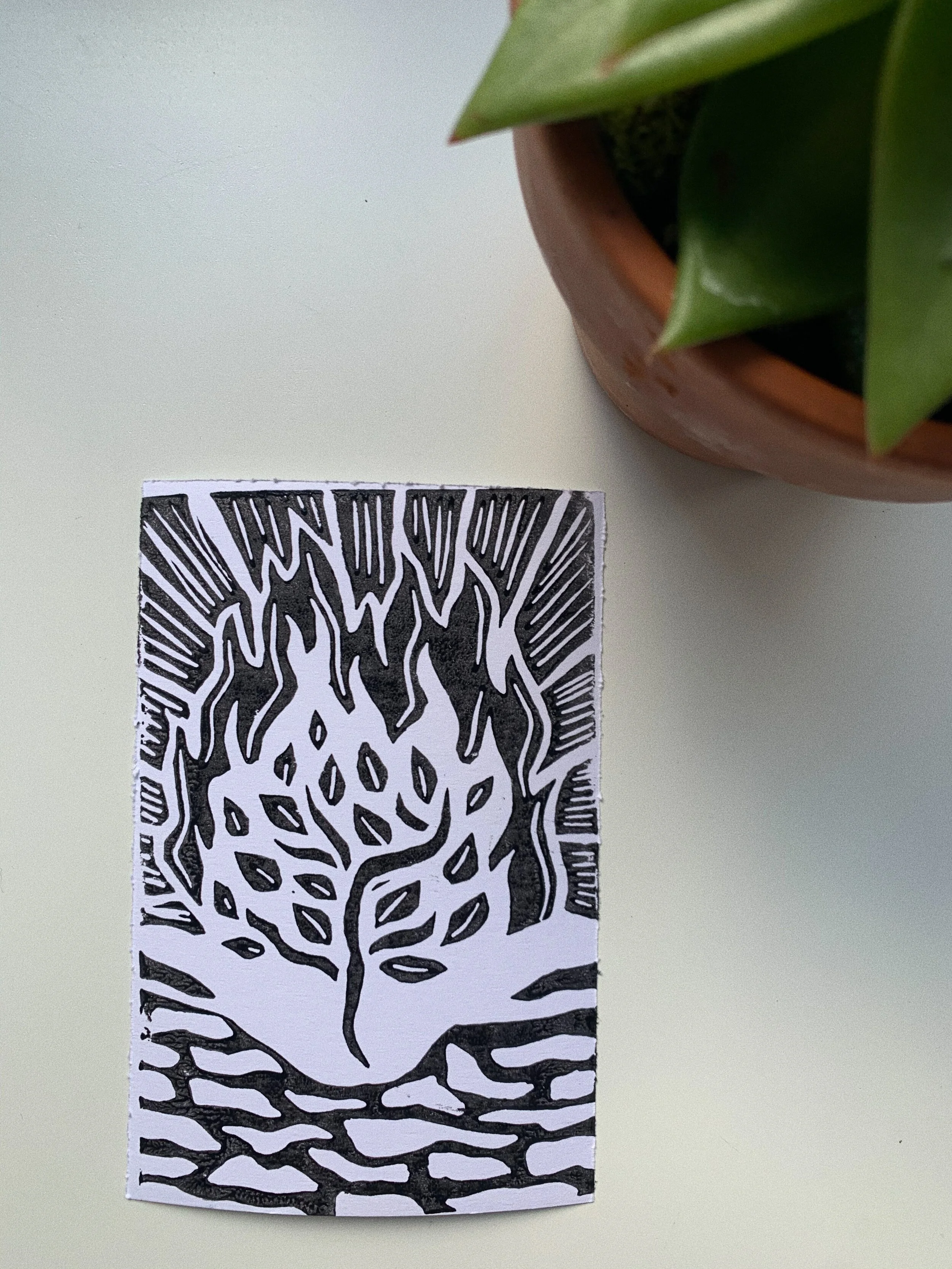
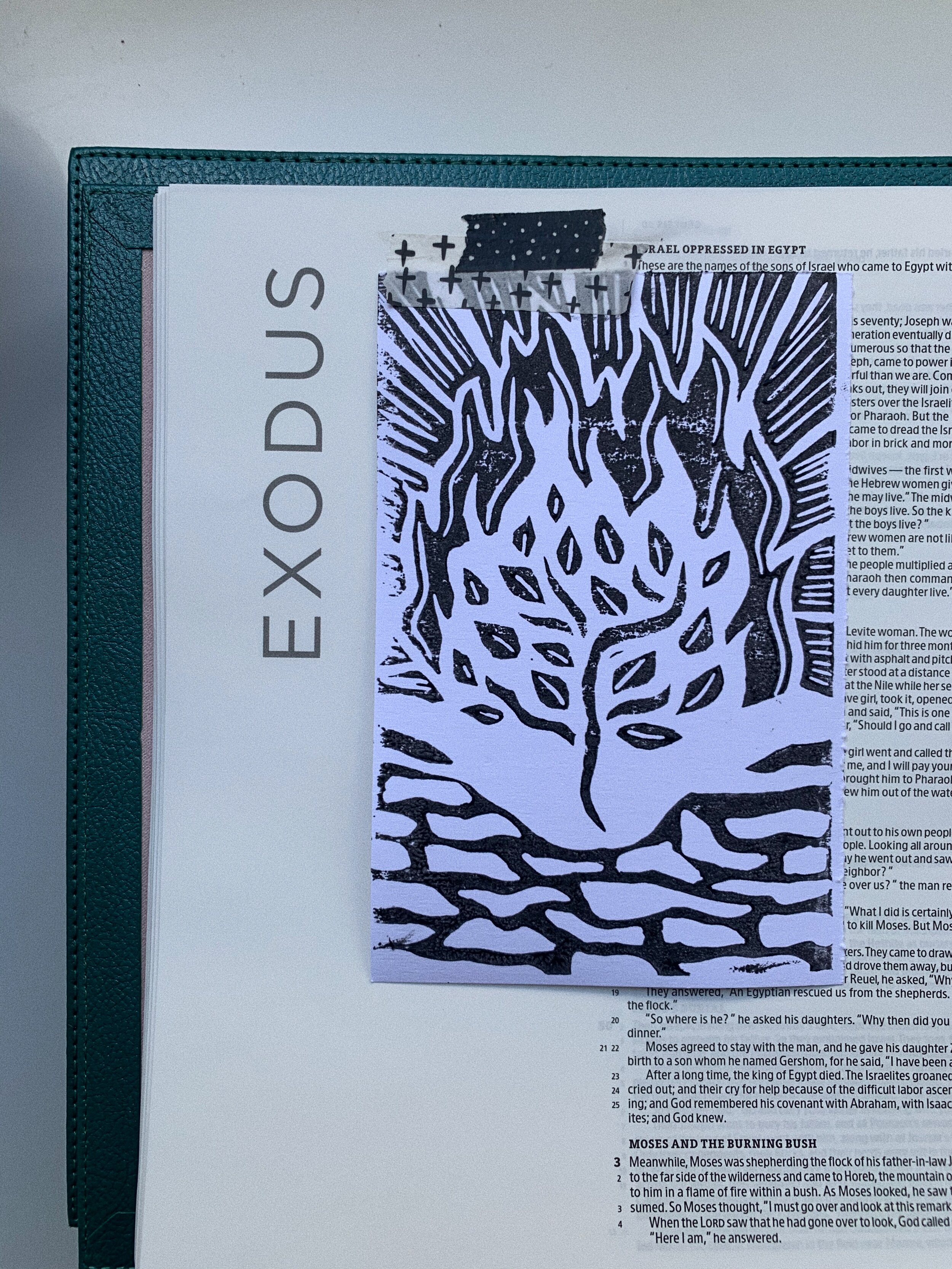
We finished studying Exodus! If you have been encouraged by my website and would like to help support me as we continue this study please consider buying one of my Exodus cards. At the end of each book I will post a hand printed card that I designed, carved, and stamped. They can be great as a decoration in your Bible, as a postcard, or as art to decorate with.
We begin Exodus in Egypt, reading of a new Pharaoh who did not look at Israel’s lineage as a blessing but as something to fear. The Israelites were multiplying greatly and nothing that the Egyptians did stopped this. Not only were they forced into slavery, the Hebrews’ sons were being killed. But even in these horrible conditions, just like with Joseph, God had a plan. Moses was born and his mother sent him down the Nile River where he was found by Pharaoh’s daughter.

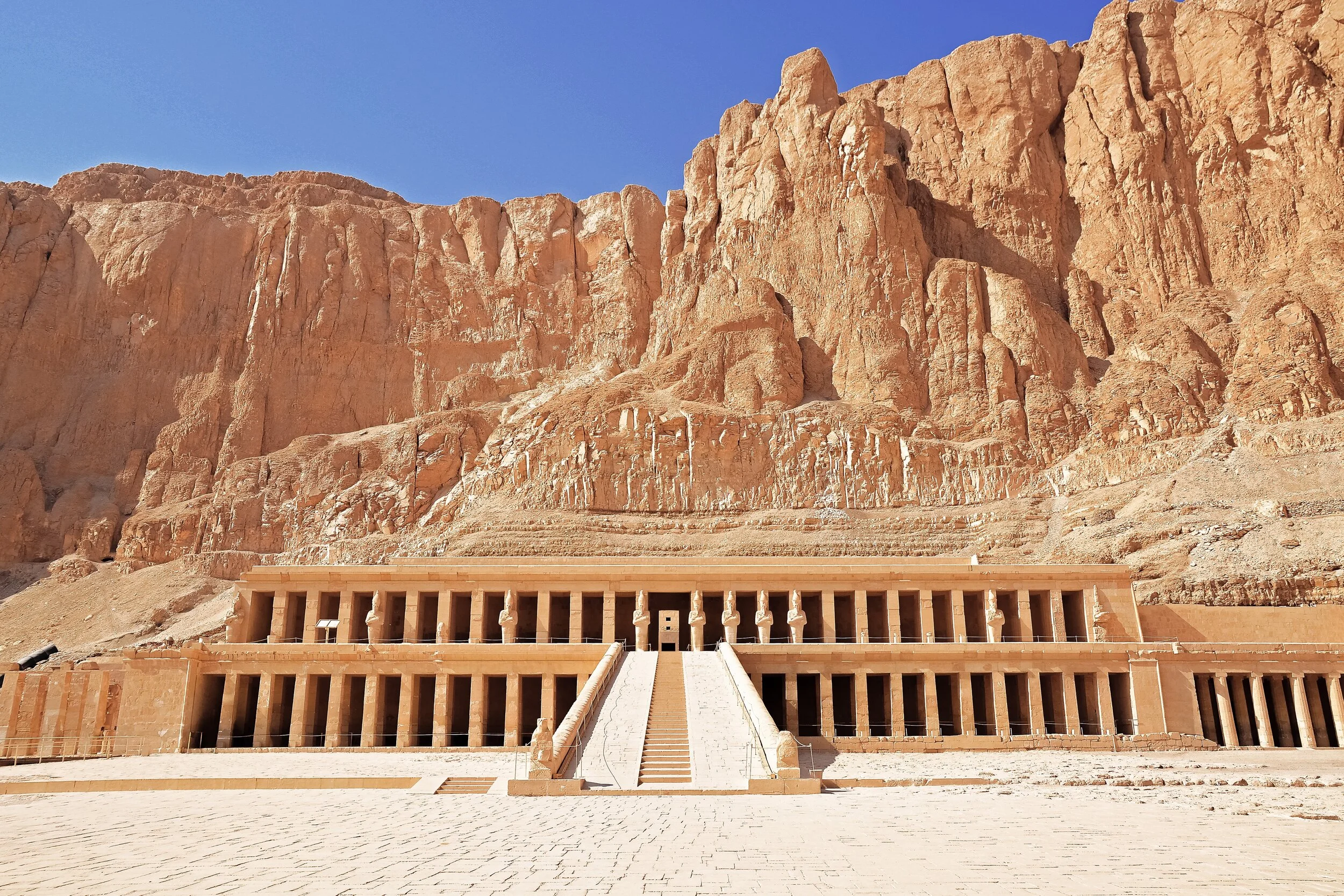
Moses was found by Pharaoh’s daughter who took him in but hired his mother to nanny him. Moses was raised experiencing the finest Egyptian lifestyle while still being brought up with Hebrew values. He wold have received the best education, lived a life of comfort, and was taught Egyptian beliefs. He also got to spend time with his family and learn of the promise God had made to Abraham and what that meant for his people.
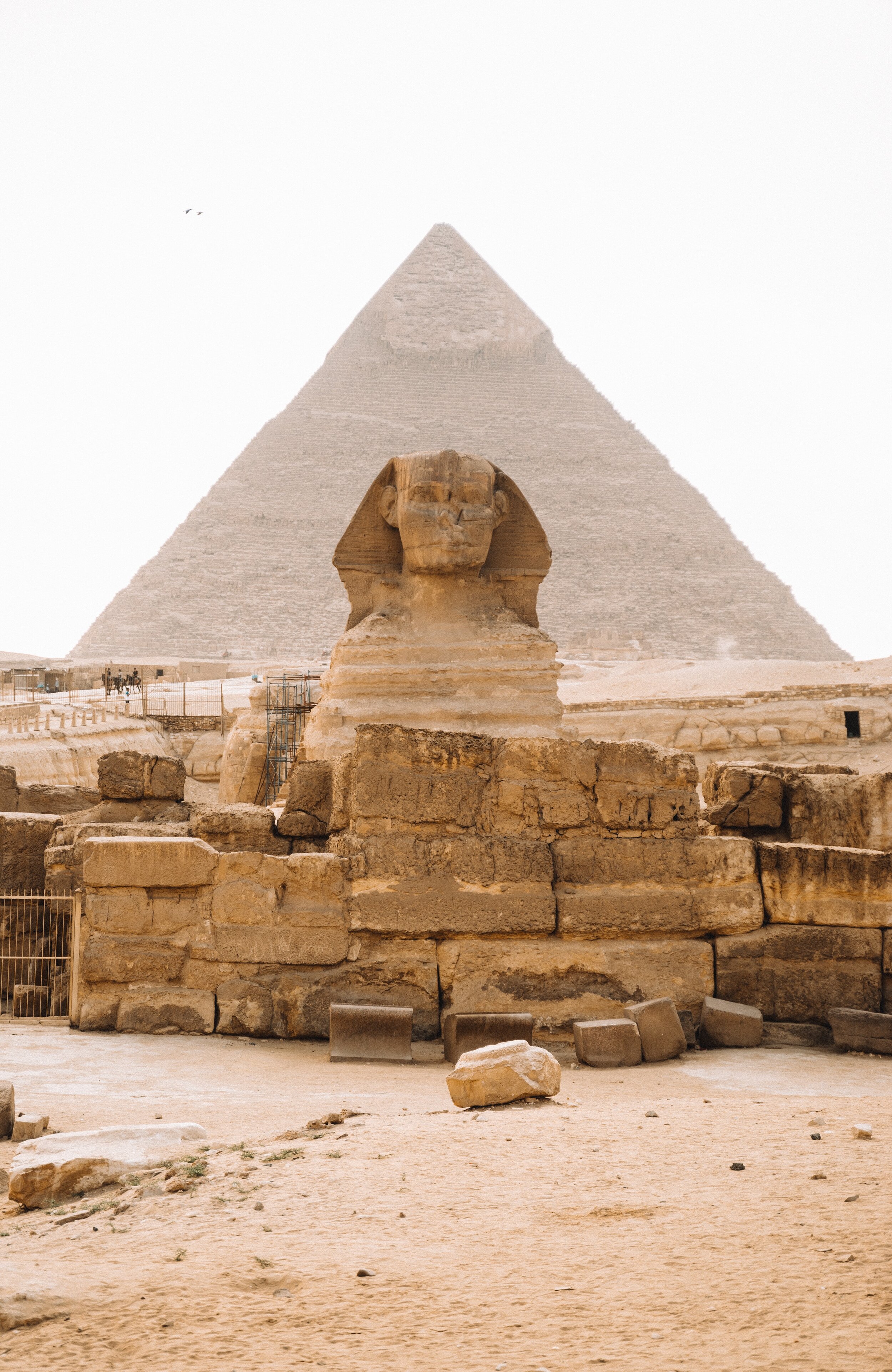
Once introduced to Moses, we read of his journey to finding God and becoming a leader. He goes from on top of the world in Egypt to fleeing the land after murdering someone. He spends years in a foreign place where God calls him to move on His behalf. There are so many things you can observe and pull out of the text from the end of chapter 2 to chapter 4 and I hope you take the time to do so. Here I am going to keep it big picture, there is an inclusion starting with Moses leaving Egypt and ending with his return. In between, God hears Israel’s cries to Him, He reveals Himself to Moses and identifies Himself as the LORD, and He equips Moses with the tools he will need to stand up to Pharaoh and lead the people of Israel to freedom. God prepared Israel and Moses for this moment for a long time.
Why would it be significant that Moses was raised in both lifestyles? How would it help that he moved to the country and became a shepherd? Why would God use Moses to be the one to save Israel? Why wait to speak to him when he was old and out of power? Ask lots of questions in Exodus, there is so much to unpack!

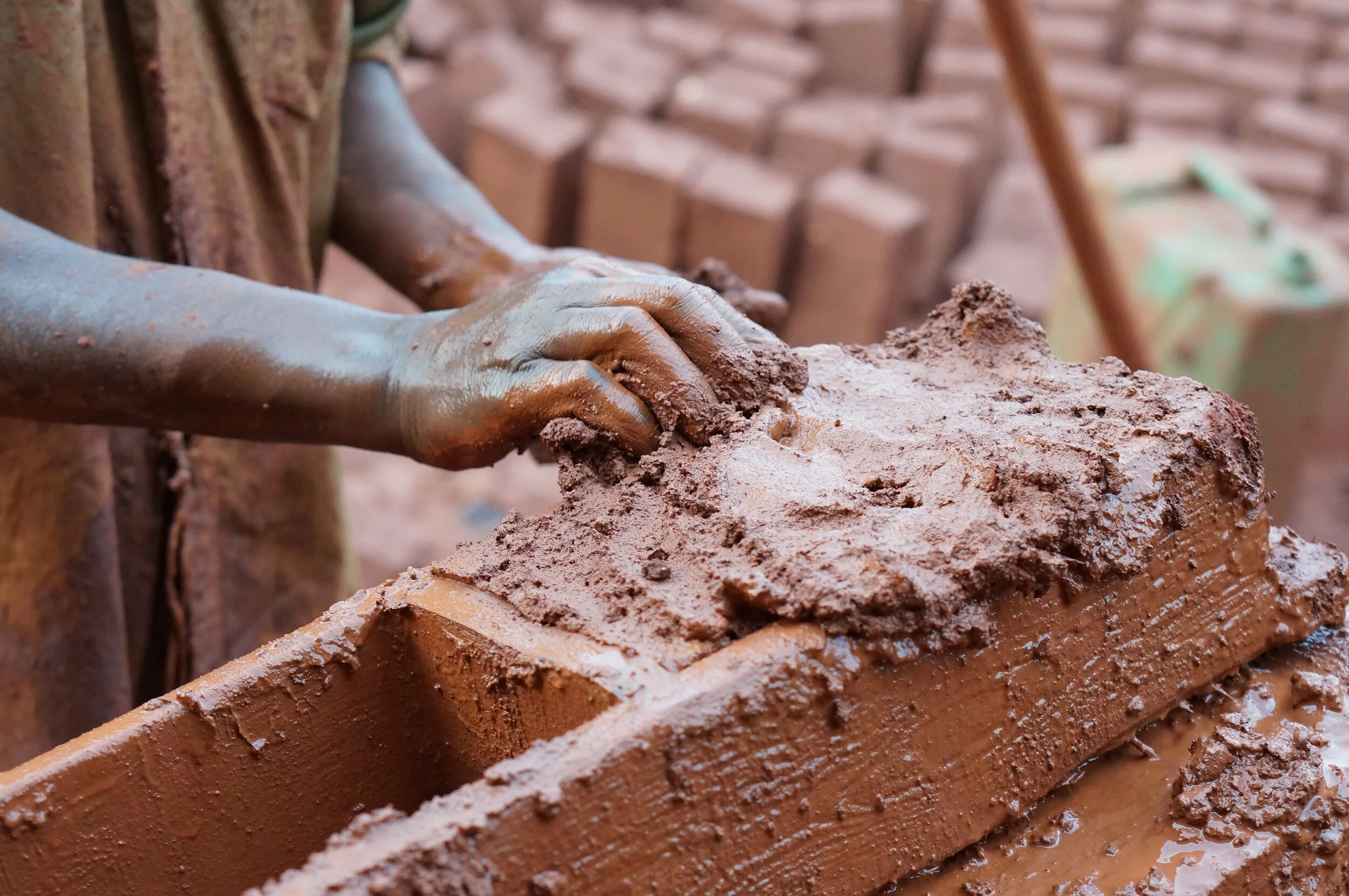
When Moses and Aaron first go in to request Pharaoh lets the Israelites leave a cycle begins. God says to do something, the people listen, they face opposition, the people question God’s plan, and God speaks again. Continue to observe this throughout all of Exodus and ask why the Israelites would be so quick to forget God’s word each time.
“I Am The Lord”
At the beginning of chapter six God reminds Moses of what He did for Israel’s patriarchs and what He would do for them. We can observe the verb tense here and the repetition of these phrases.
Past - I did
Appear to Abraham, Isaac, and Jacob as God Almighty.
Establish my covenant with them.
Present - I have
Heard the cries of Israel.
Remembered my covenant.
Future - I will
Bring you out of slavery and redeem you.
Be your God.
Bring you to the promised land.
After God renews His promise with Moses, the text goes into talking of his lineage. The genealogy of the people of Israel at this time could have been important to keep and account of who had been in Egypt. This also gives the readers context for who Aaron and Moses, God’s chosen leaders were.
God used Aaron to speak for Moses because Moses didn’t feel he was eloquent enough to speak on God’s behalf. In chapter seven God likens Moses to Himself and Aaron to be his prophet. This could be God giving the people of Israel an example of what prophets would look like. This is our first time reading of a prophet and, once we get farther into the Old Testament, prophets are a huge part of the story. The reader of these books, and the Israelites in the wilderness would need context for what a prophet was and did. God performed signs through Moses and Aaron in front of Pharaoh’s court that his magicians and sorcerers were able to copy but God was moving and setting something up. This mimics of His power did not intimidate Him.

God against Egypt's gods
God tells Moses in chapter seven that He would harden Pharaoh’s heart and increase His signs until His judgement was over. The Egyptians had sinned against God and His people. Egypt had many gods that the people would worship. Through the plagues God sent on the land, each attacked a specific god the Egyptians prayed to.

The First Plague - Blood Into Water
God started His judgement of Egypt by destroying their source of water. For seven days, all the water in the land was replaced with blood. The Nile river was worshiped as a supreme deity in ancient Egypt. Hapi, the Nile god, was believed to bring fertility and harvest. God discredited Hapi’s power by replacing the Egyptian’s water with blood.
The Second Plague - Frogs
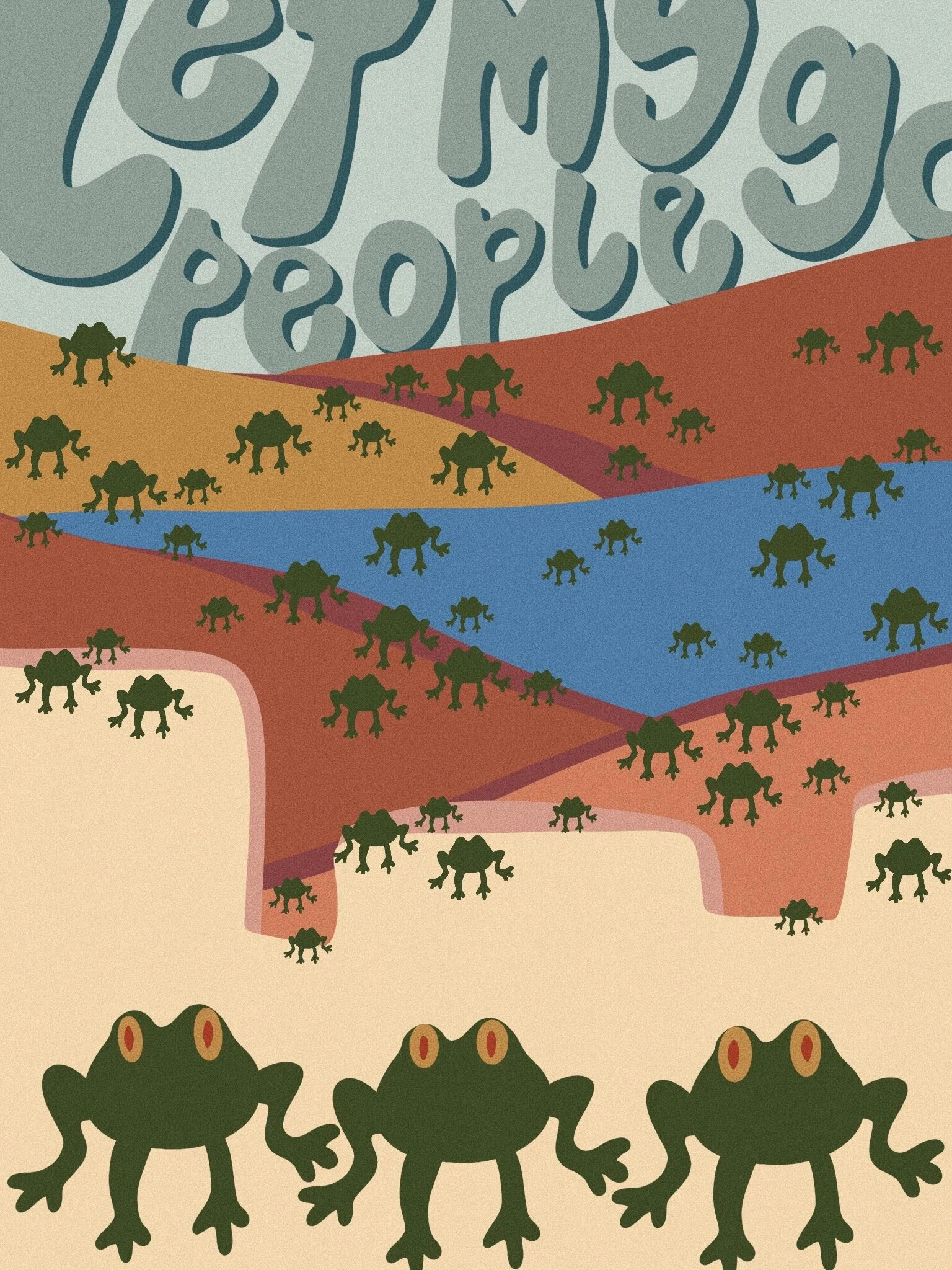
The second judgement of Egypt came in the form of frogs. Hopping up from the river and taking up space in every imaginable corner. The deity that God was challenging was Heqet, a frog-like figure that was also believed to be a god of fertility. Egyptians believed this deity would come up from the Nile and that frogs were the first thing ever created.

The Third Plague - Gnats
Next God turned all the dust on the ground into gnats. Even Pharaoh’s magicians couldn't replicate this and began to believe God was truly at work in these plagues. The deity Geb was the god being discredited. This was the god of the earth and it was believed that the Pharaoh’s were directly descended from him.

The Fourth Plague - Flies
With the fourth plague, God made a distinction between the Hebrews and the Egyptians. The flies only swarmed the land where Egyptians lived, the place the Israelites lived were kept clean and free of flies. The god being challenged was Khepri who had the head of a fly and was believed to have been created out of nothing and kept the sun revolving.
The Fifth Plague - Death of Livestock
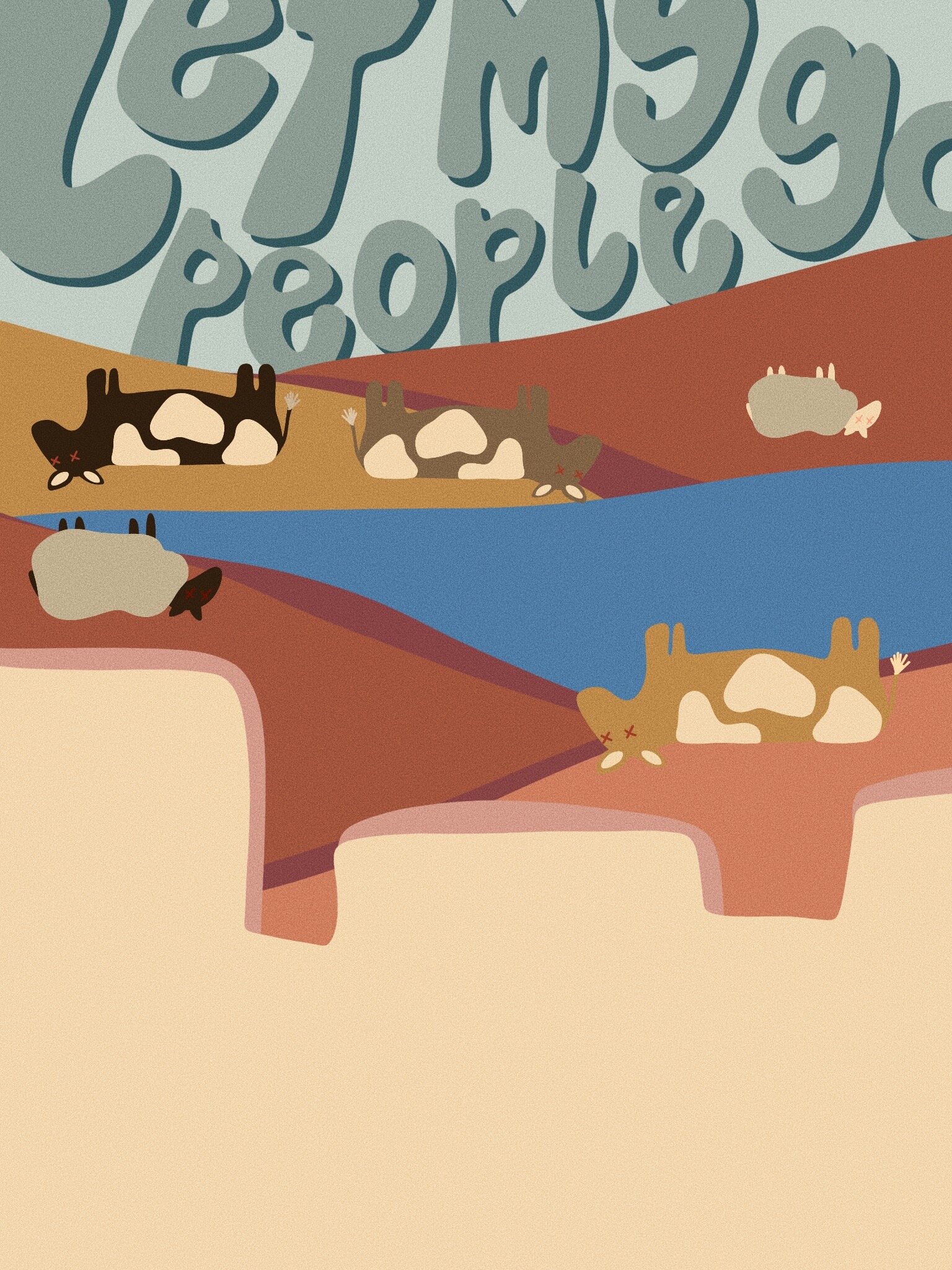
After Pharaoh continued to harden his heart against Moses’ request, God killed all of the Egyptian’s livestock. Once again he made the distinction between the Hebrews and Egyptians. Things were becoming more serious now as death was being involved and Pharaoh was still going back on his word. The deity being provoked was the goddess Hathor who was depicted as a cow and who was known as a mother, who would bring life to more gods.
The Sixth Plague - Boils
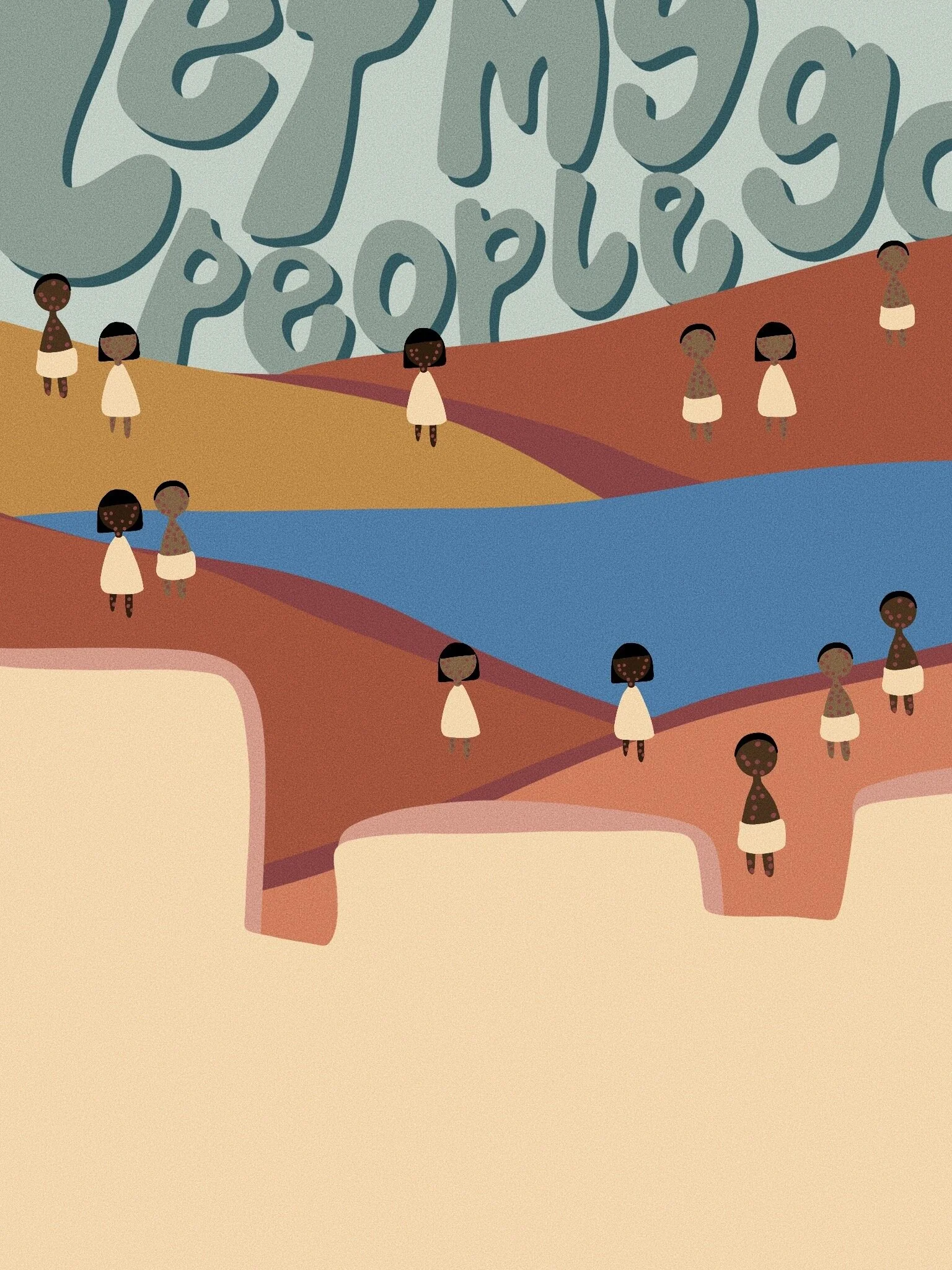
When the death of all the Egyptian’s livestock wasn’t enough to change Pharaoh’s heart, God began to warn him by affecting the humans. Such bad boils showed up on every Egyptian that the magicians Pharaoh had used at first to combat God’s signs could no longer stand in the court. The deity God was challenging was the goddess Isis who was believed to heal the sick.

The Seventh Plague - Hail
God told Pharaoh that he raised him up to show him His power and so that His name would be proclaimed through all the earth. The text says God was the one hardening Pharaoh’s heart so that more plagues kept coming. Just as Moses and Aaron were an example to the Hebrews of prophets, Pharaoh was an example of sinners and judgement. This is still something not easy to grasp and I encourage you to ask the questions that feel uncomfortable with God’s control in this situation. To make His name great, God was continuing to challenge the Egyptian gods. With hail, God was provoking Nut, the goddess of the sky.
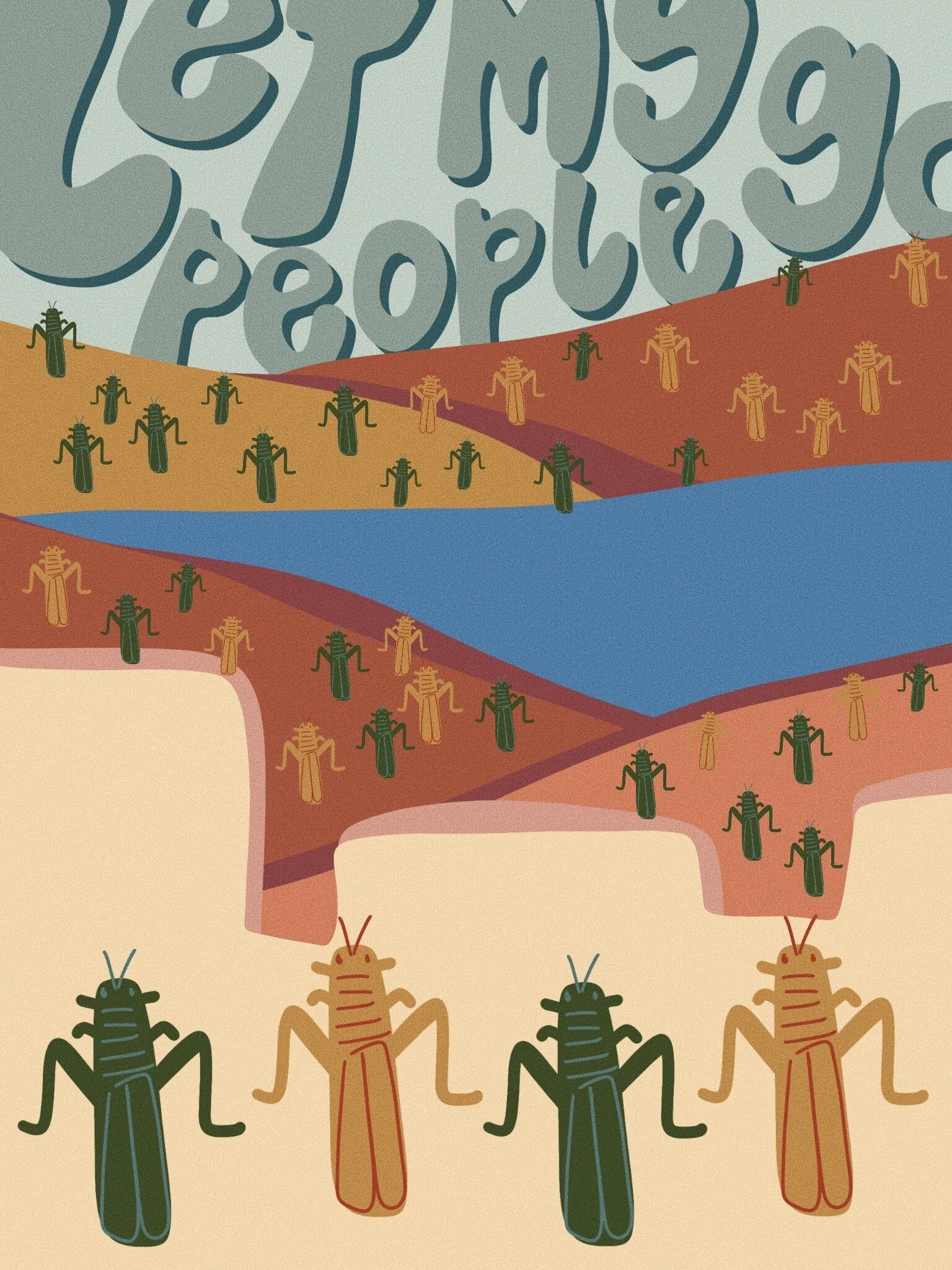
The Eight Plague - Locusts
These last plagues were beginning to affect the lives of the Egyptians personally. Their livestock were gone, their crops had been destroyed by hail, and then God sent locusts to eat the rest of all the crops that were left. There was nothing left in the land for the Egyptians. The god that was being challenged was Set, the god of chaos and the barren land.

The Ninth Plague - Darkness
The darkness God sent over Egypt made all life stop. No one could see and no one could move. There was nothing they could do until God lifted the darkness. This was a direct challenge agains the Egyptian god Ra. He was the sun god, the one the people believed to be most powerful and important. For three days he could not be found and God proved His sovereignty over all that the Egyptians believed in.
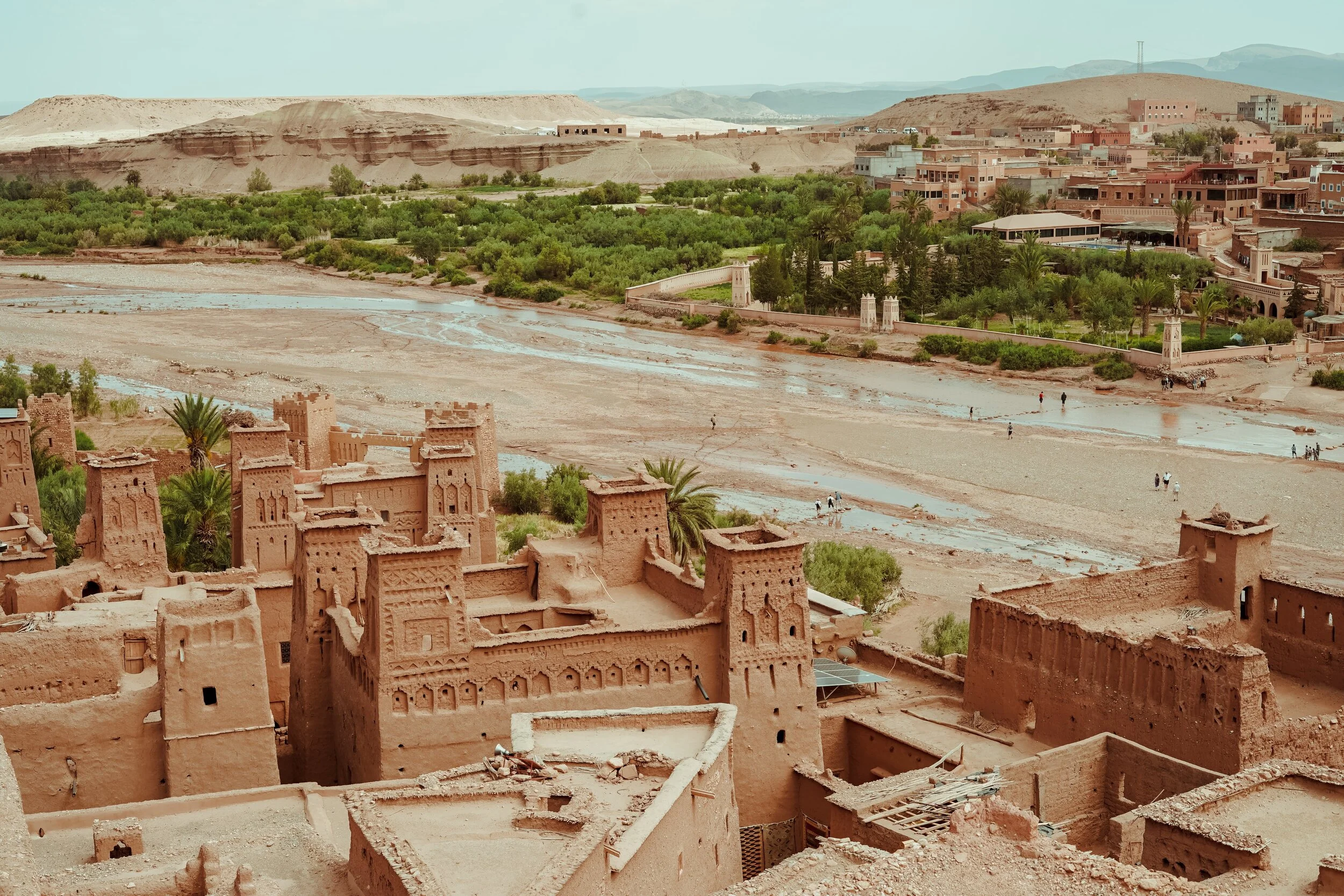
After God challenged so many of the Egyptian deities, He finished by showing power over Pharaoh himself. Now sin in the nation had grown so greatly that death had to be the response. God is the opposite of sin and He gave Pharaoh so many chances. Like we looked at yesterday, God did harden Pharaoh’s heart so that He could show these great signs and bring glory to His name. I encourage you to wrestle with the thoughts this brings up because these are the uncomfortable questions that are worth struggling with.
God tells the Israelites in the Law that the blood of a person or animal was its life. By having the Hebrews kill a lamb during the Passover and put its blood over their door frames, they showed that a life had already been claimed in that home. It was sacrificed so that their firstborn didn’t have to be.
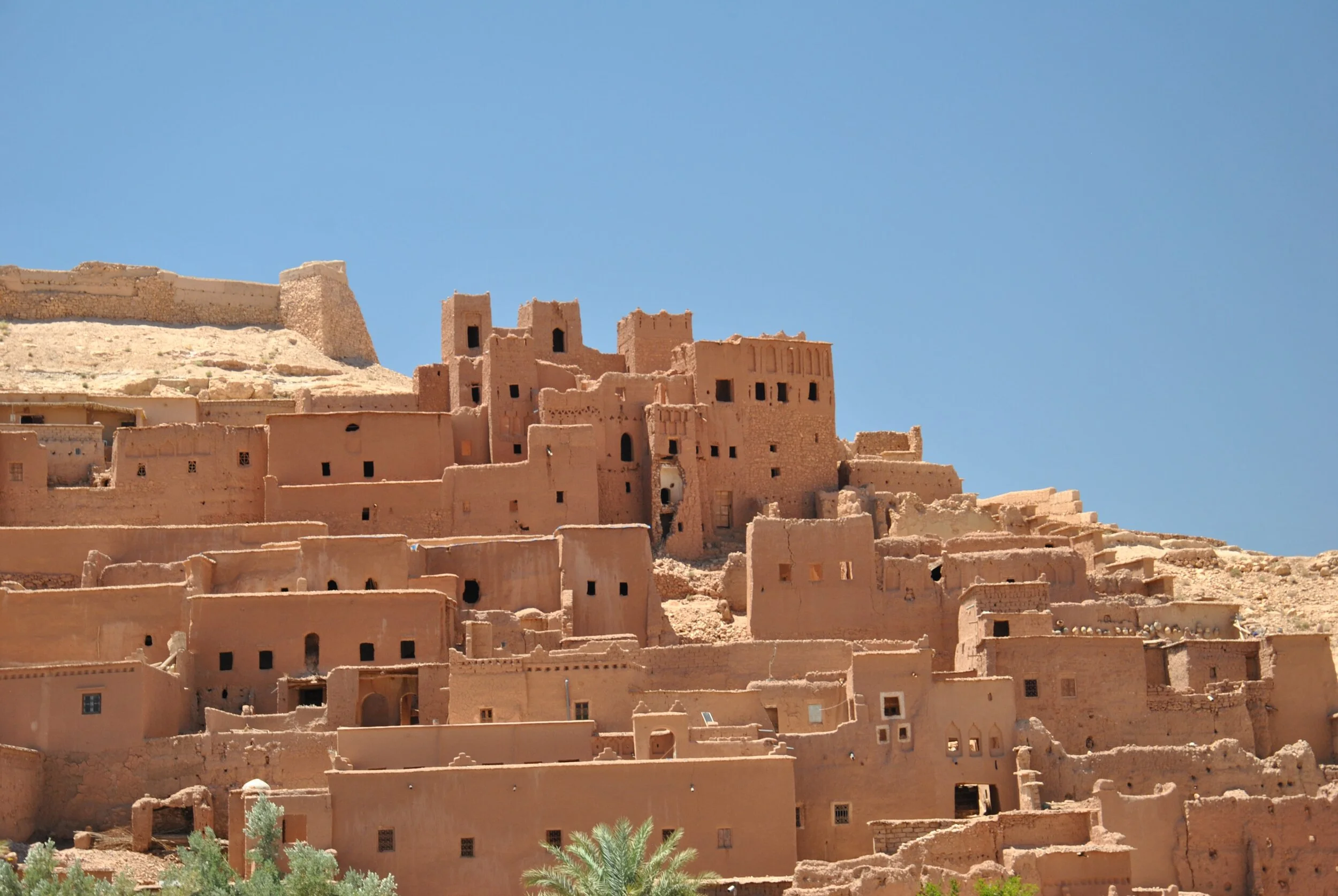
“And when your children say to you, ‘What do you mean by this service?’ you shall say, ‘It is the sacrifice of the Lord’s Passover, for he passed over the houses of the people of Israel in Egypt, when he struck the Egyptians but spared our houses.’” And the people bowed their heads and worshiped.”
Here in Exodus God uses firstborns for His purpose. First by revealing His ultimate power to the Egyptians, then by asking the Hebrews to acknowledge His sovereignty. Through all of this, He did not leave the Israelites side and He ensured that He would be remembered for many generations.
“It would have been better…”
The Hebrews constantly complained and used this phrase as they were in the wilderness. Keep an eye out for it and ask why they could possibly continue asking this after all God did for them.
“The Lord will fight for you, and you have only to be silent.”
God gets glory over Pharaoh when He sends the Israelites into a seemingly impossible situation. All they had to do was trust Him, and He parted a sea for His people to walk through to safety.
In chapter 15 we read the song of Moses. With poetry and songs it can be helpful to observe figures of speech used within the writing and to ask why the author would want to keep the song in the text with the story.
To find a list of commonly found figures of speech in the Bible click the button below.

Conditional statements are often found in this portion of the Bible. As God was turning Israel into a nation, He was setting boundaries that would cause them to succeed. These boundaries also brought the people closer to God. In their broken state of sin this was the answer to their need for relationship with Him.
God provided for the Hebrews in the wilderness by only giving them what they needed for a day at a time. He also spoke to Moses about Sabbath rest. The people had to trust that He would take care of them day by day, even when He asked them to stop all work for their Sabbath. This day of rest also goes back to the story of creation. When God finished creating, He spent the last day appreciating His work and resting. If it’s good enough for God it should be good enough for humans.
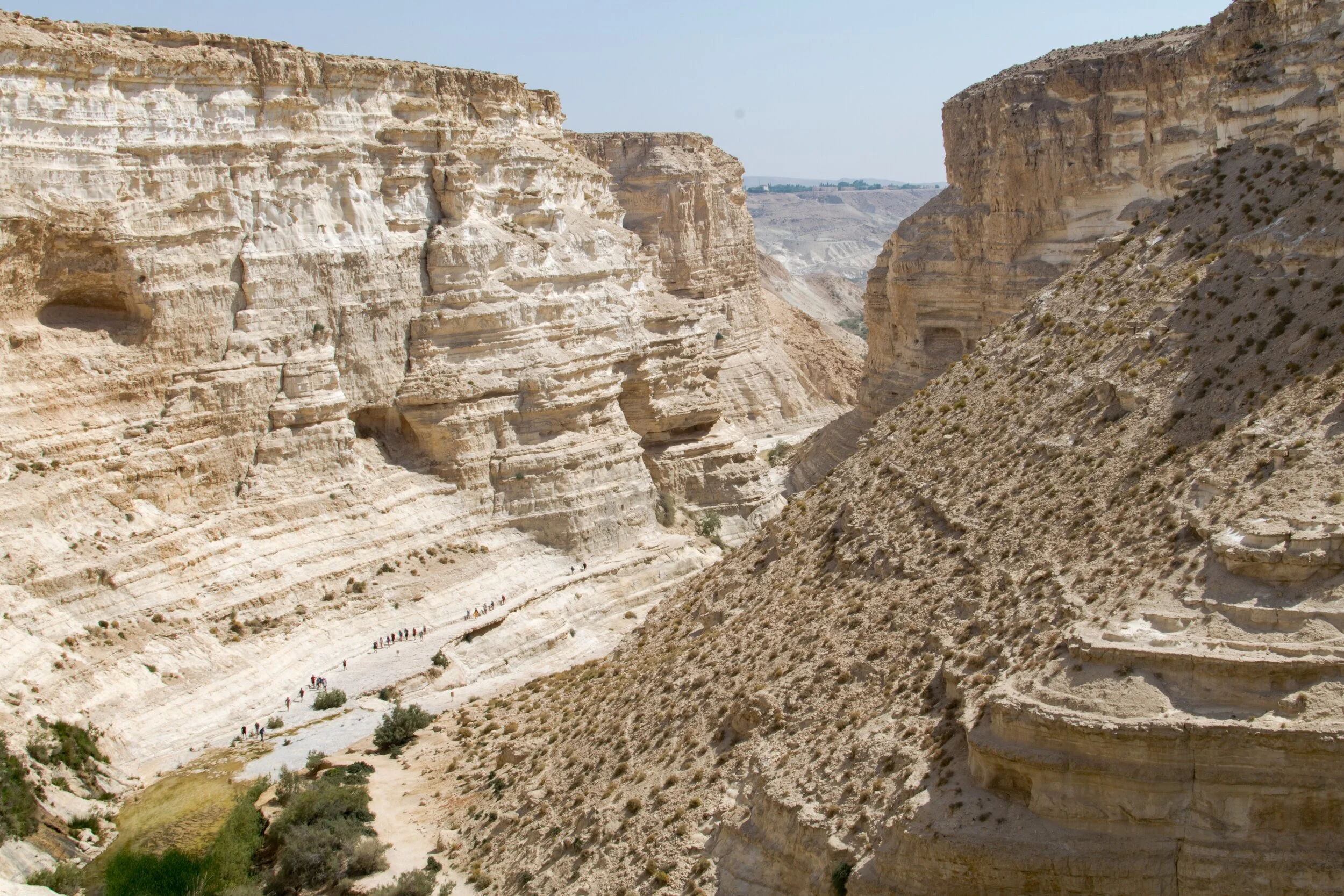
There is a contrast between the Israelites and Moses in the beginning of chapter 17. The Hebrews constantly came to Moses with complaints but Moses would go to the Lord with questions. Why would this distinction be important?

Community among the Israelites was being established as they were preparing to enter the promised land and become a nation. Defeating Amalek was a group effort. Through trust in God, a strong army, and support from his community, Moses was able to stand on a mountain and see an enemy overwhelmed. Moses is then advised to appoint judges to help him govern his people.
Why would God ensure His people were immersed in community? How does this go along with the surrounding text?
God was establishing His people to be a holy nation and an example to all others. In chapter 19 the people agreed that all that God commanded they would follow. They were agreeing to living in community with each other and to have a relationship with God.
In chapter 19 the Hebrews are stopped at the base of Mt. Sinai where the next few books all take place. Here, God reveals Himself to the Israelites and institutes His covenant with them. In the text God tells the people to consecrate themselves and establishes His holiness among His people. This is also when the people nominate Moses as their official spokesperson with God and He becomes the one to climb Mt. Sinai to have conversations with the Lord and bring back the Law to the people.
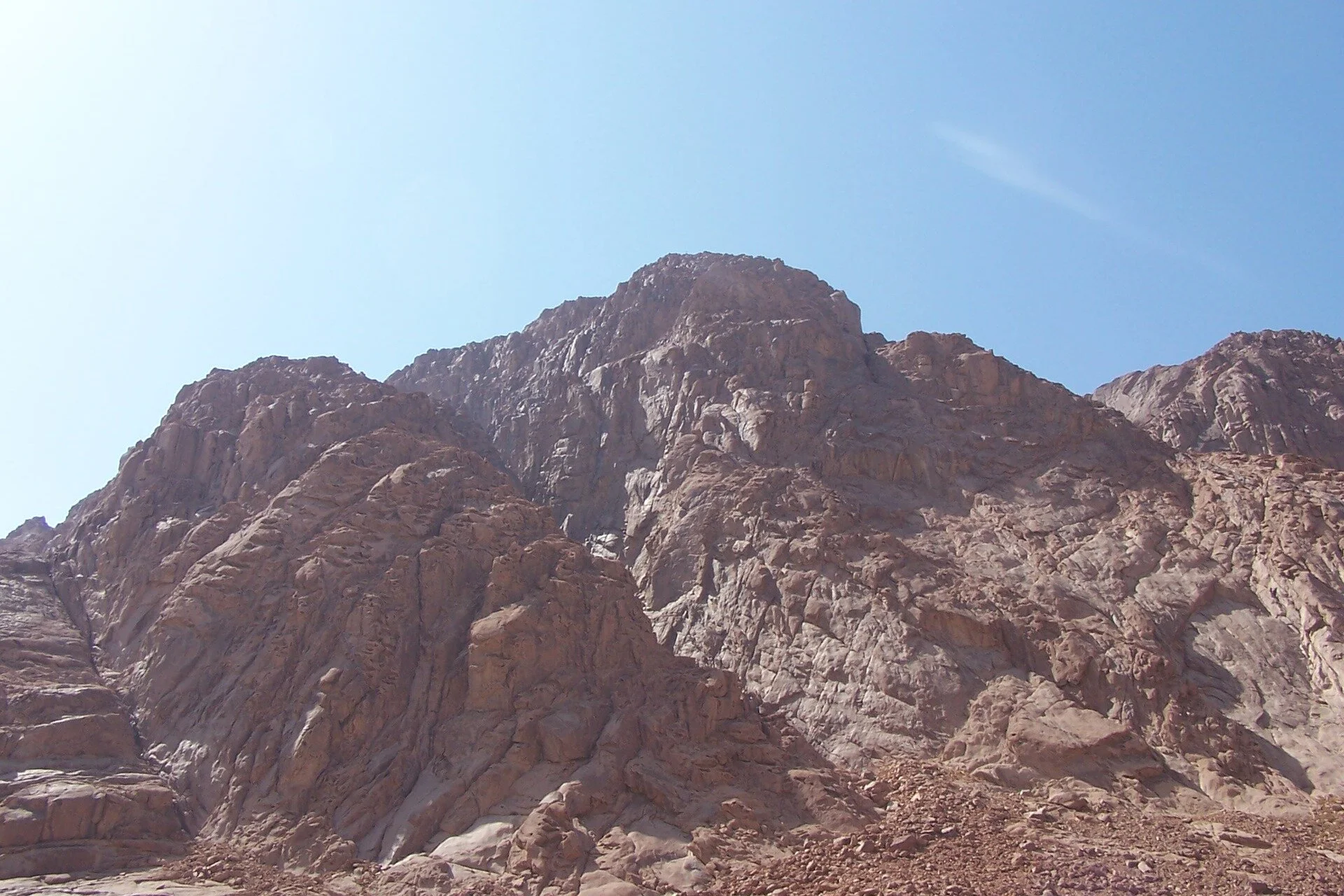

After God reveals His glory on Mt. Sinai to all of the Israelites, He speaks to Moses and starts by giving him the Ten Commandments. This is the main part of the Law that we learn in Sunday school as kids and there’s a reason for that. They are the first part of the Law that God speaks to His people and they outline the categories that most of the other Laws He gives them fall under. Something important to do with the Laws is to ask what the value behind each of them is. This can help you find timeless truths as you look through this seemingly daunting text.

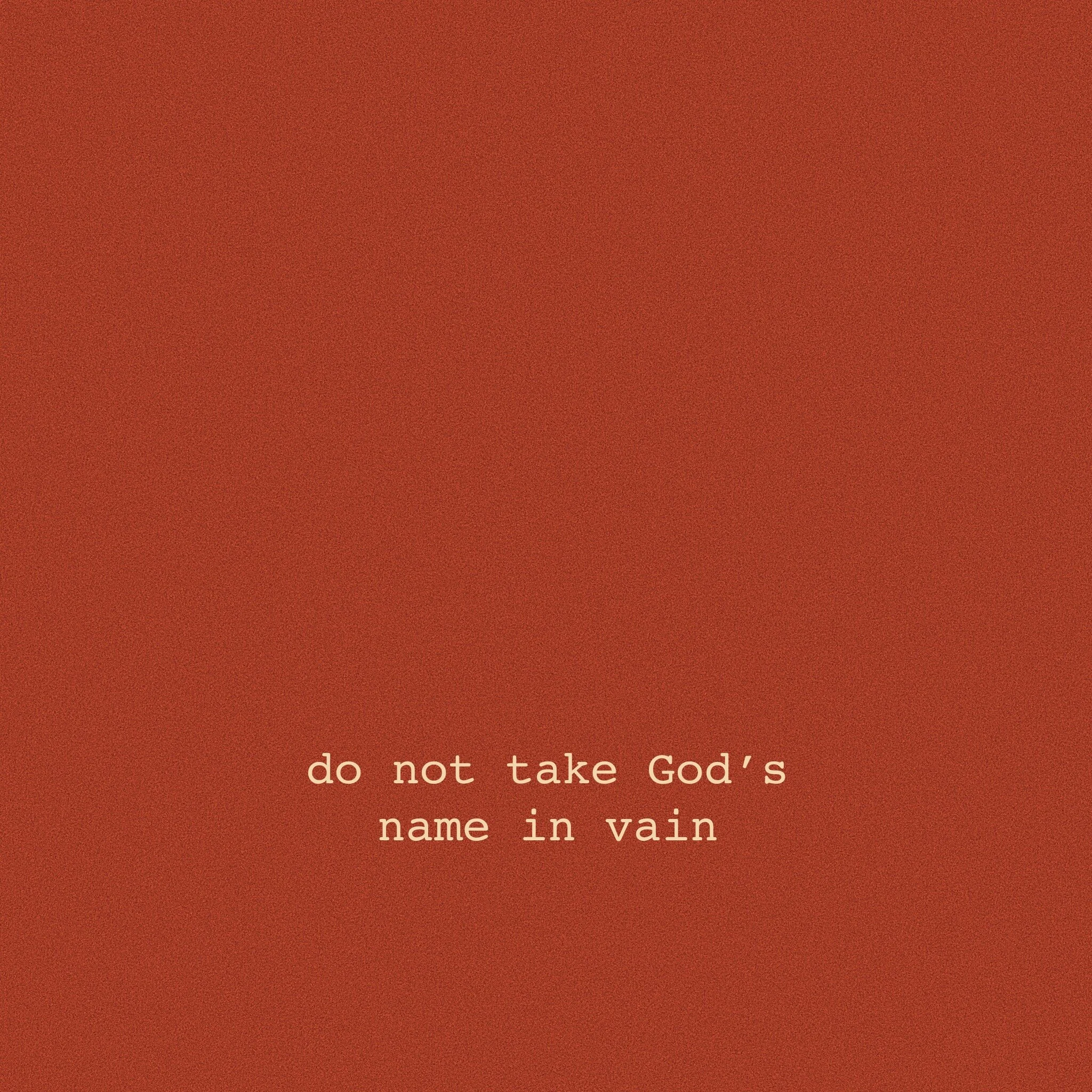




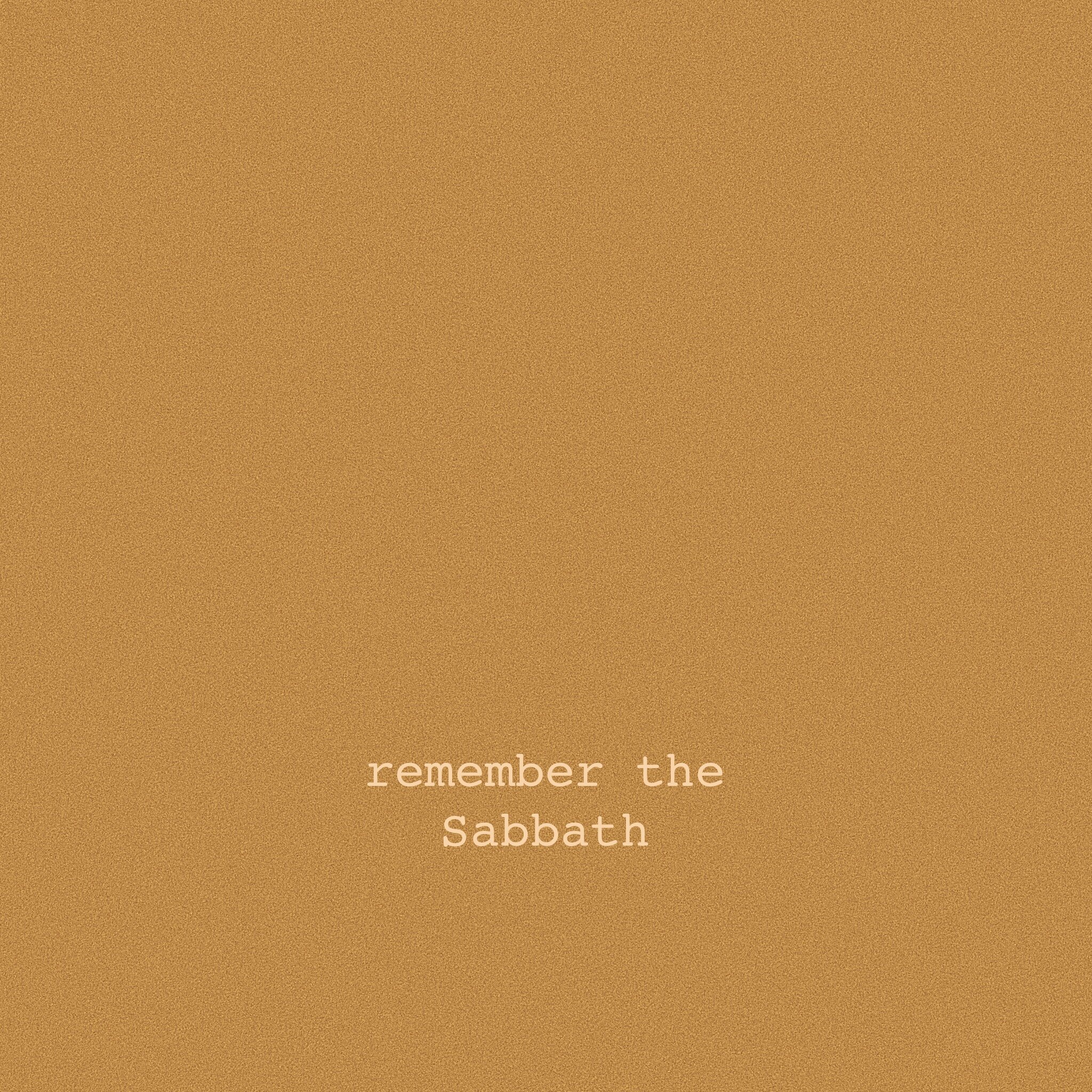



At this point in the Exodus story God is instituting His covenant with His chosen people. He has given them the Ten Commandments and now is expanding on them. The Law can seem confusing, boring, and overwhelming but I hope to encourage you to continue digging into each paragraph. There are great websites that I linked to on the Tips + Tricks page that can help you learn more about the cultural context of the specific Laws. This can be helpful when you’re interpreting and unsure about specific meanings.
A covenant is a legally binding contract. The Law of the Bible is most commonly linked to what is called a suzerainty covenant, this is where a superior party creates a contract with a lesser party where both parties will benefit. Unlike a suzerainty covenant, all the blessings go to the Israelites. God benefits by being in a closer relationship with His people but it is a relationship still tainted by the effects of sin. This Law also stands out because other religions often had very different relationships with their gods.
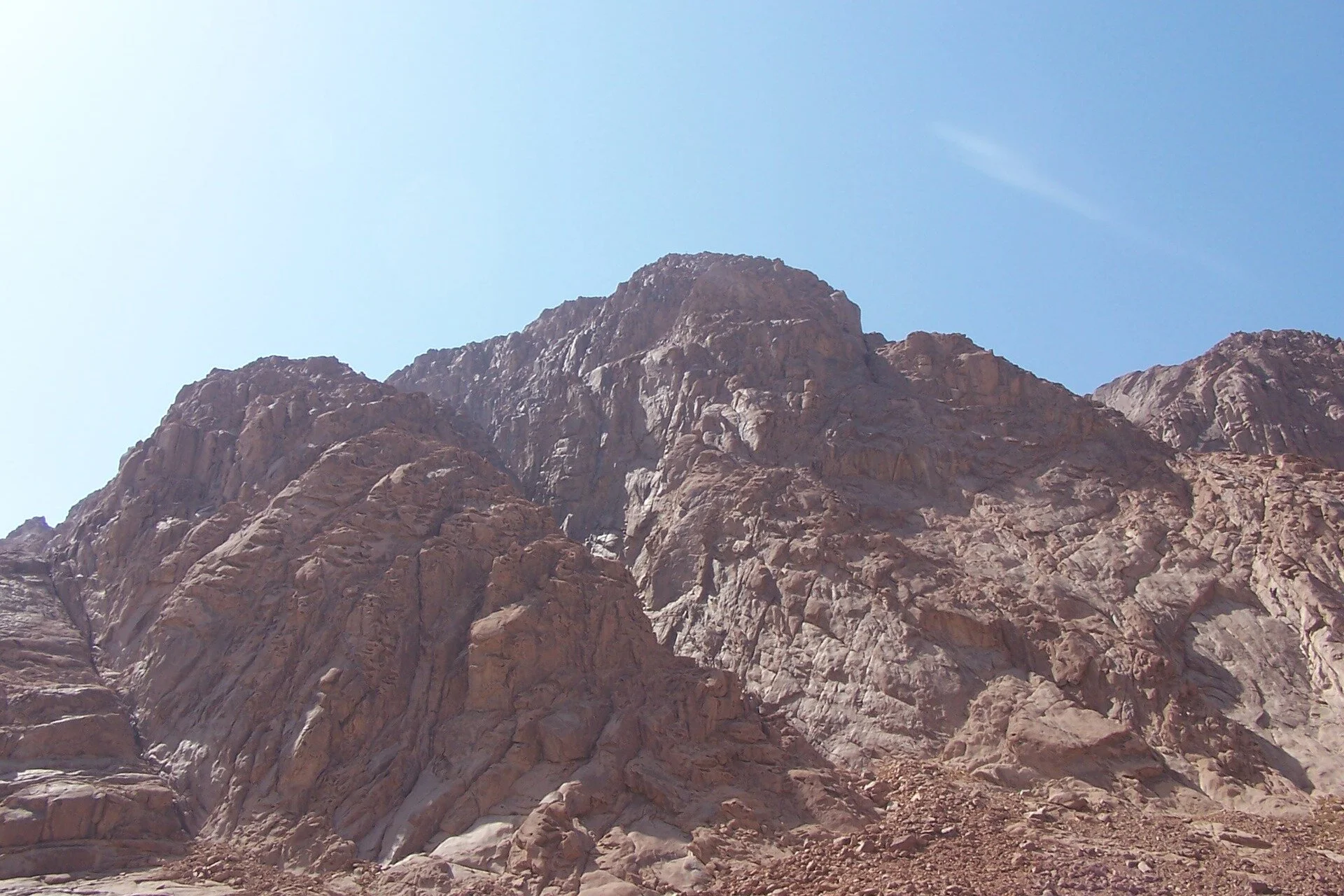
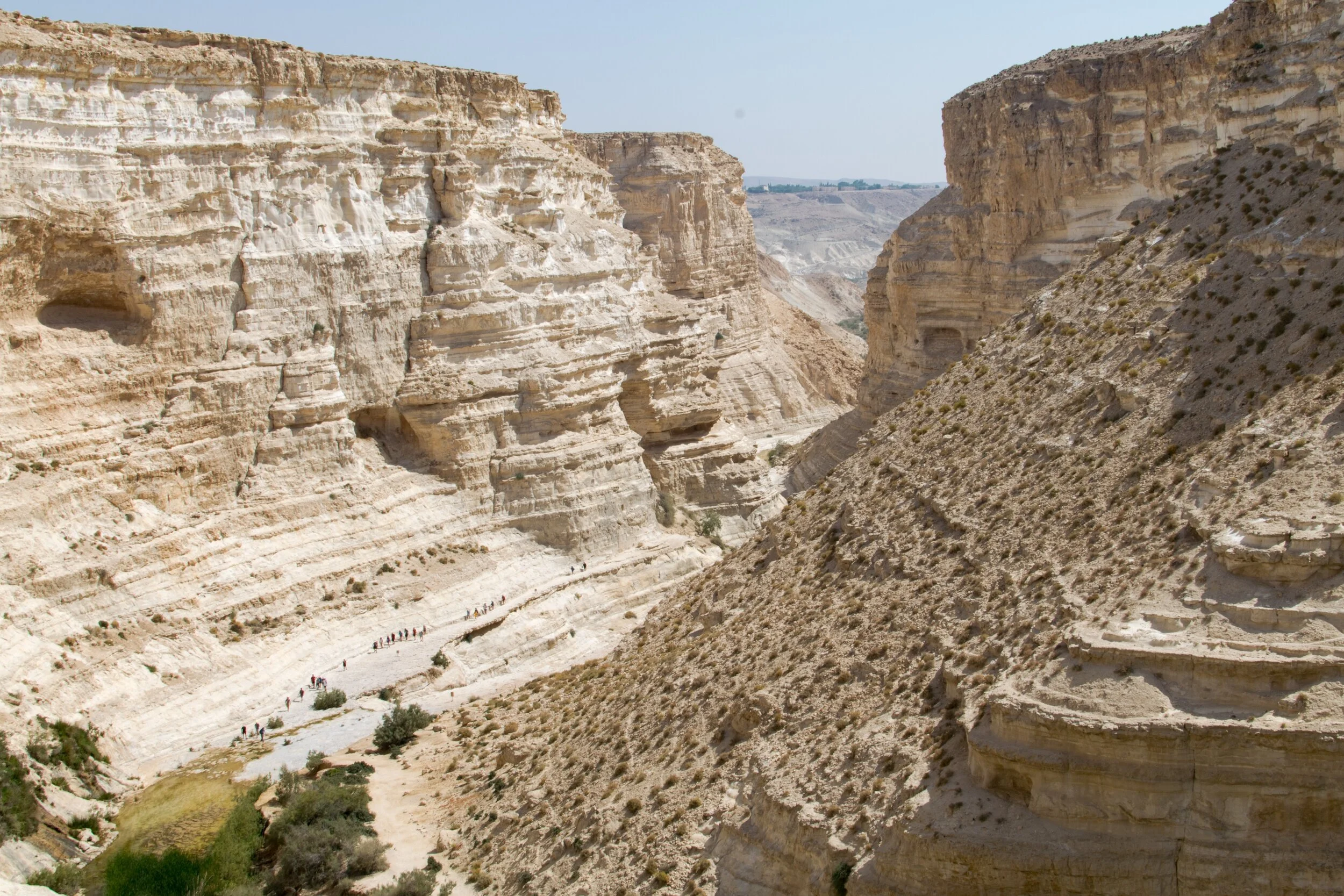
Most religions in the Ancient Near East believed that their deities created humans so they could do things for them, then when they felt like it they might do something good for the humans in return. In contrast, God was asking His people to follow a Law that was good for them, which would cause them to prosper. To listen to His voice because He had their best in mind and in return they would be blessed beyond belief. Keep this in mind as you study the Law. Ask why God would give the conditions He did in order to bless them how He promised. In Exodus He is introducing the Law and how to follow it. Why would this be what He does at Mt. Sinai?

All that God said to Moses he wrote down for the people and read it to them. They were consecrated to the Lord and were open to following the covenant laid out for them. Moses and the elders of the people of Israel then go up the mountain where they encounter God’s Presence more fully. Still only Moses is aloud to go further and actually commune with God but Aaron, his sons, and the elders see God and the sapphire beneath His feet. This is when God invited Moses to come up the mountain so He could give him the tablets with the Commandments on them. Why would the Laws read yesterday be given before the rest on the tablets that God wrote Himself? Why would God’s glory be described here and why couldn't everyone experience it like Moses?


The rest of the text we read for this section all has to do with the Tabernacle and items that were to be built for it. God gave Moses clear instructions on what this holy place would look like, what materials to use, and where everything would be placed. Reading these instructions can be tricky. Here are some pictures I made to help you visualize what is being described.

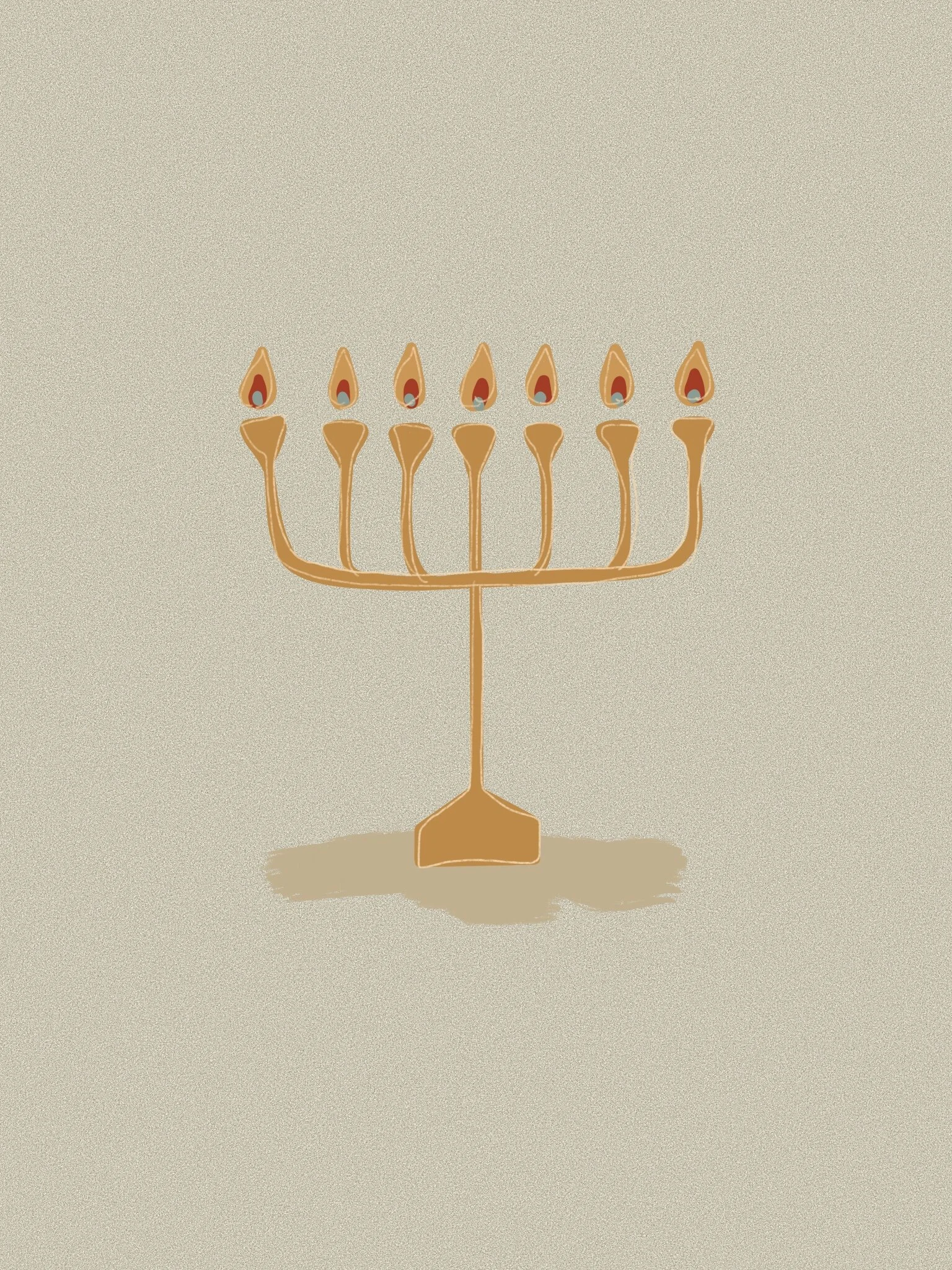
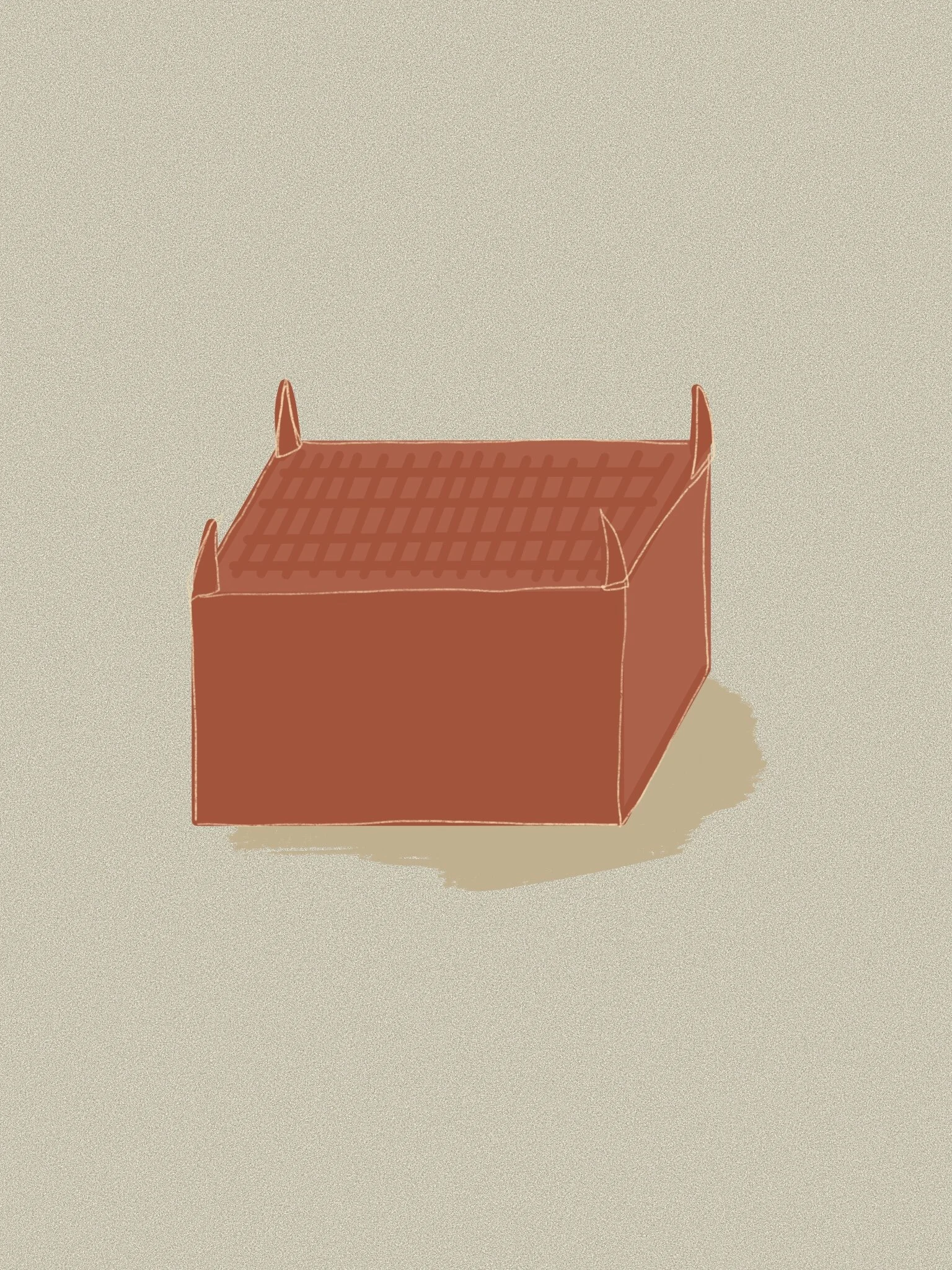
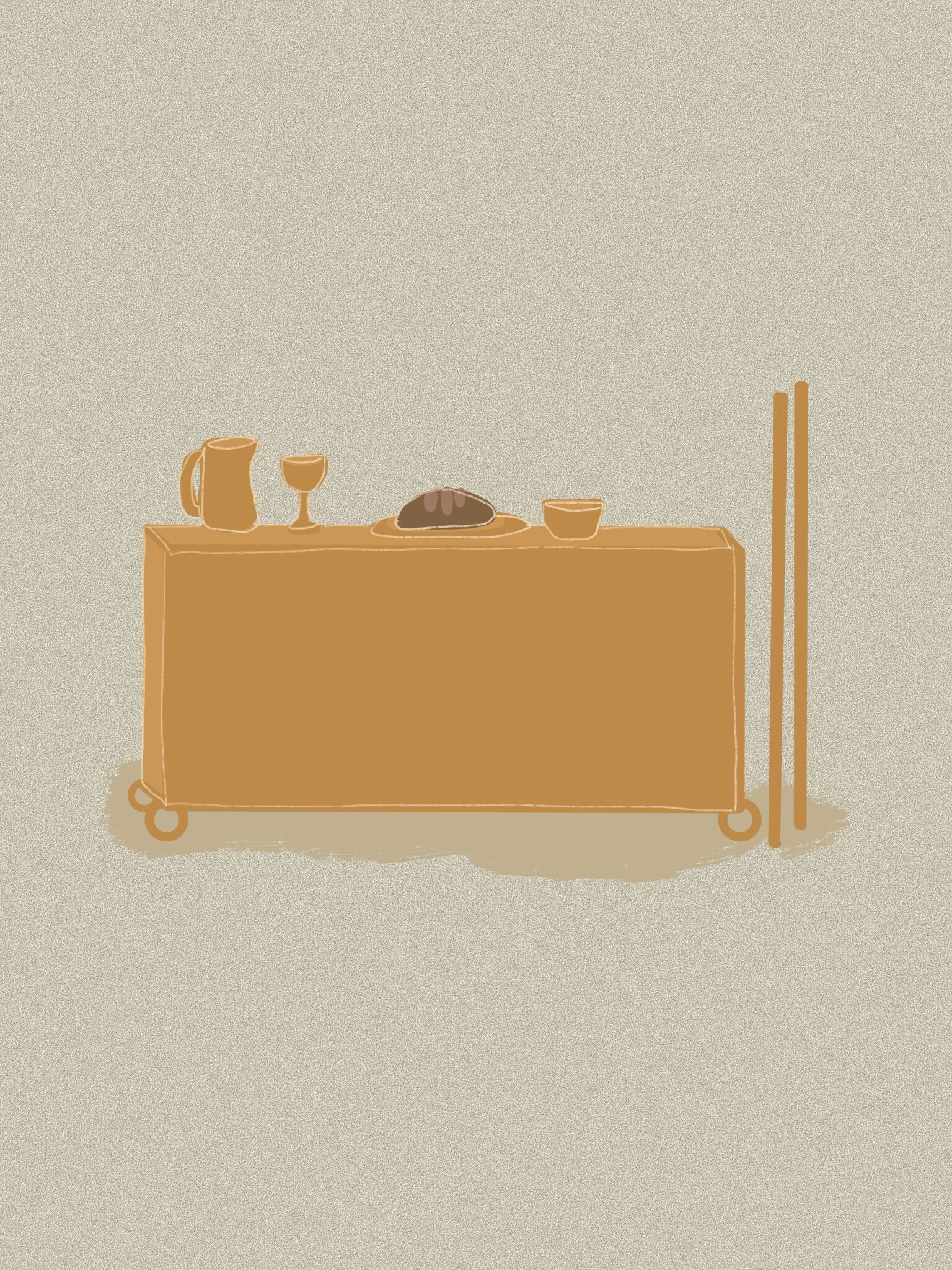

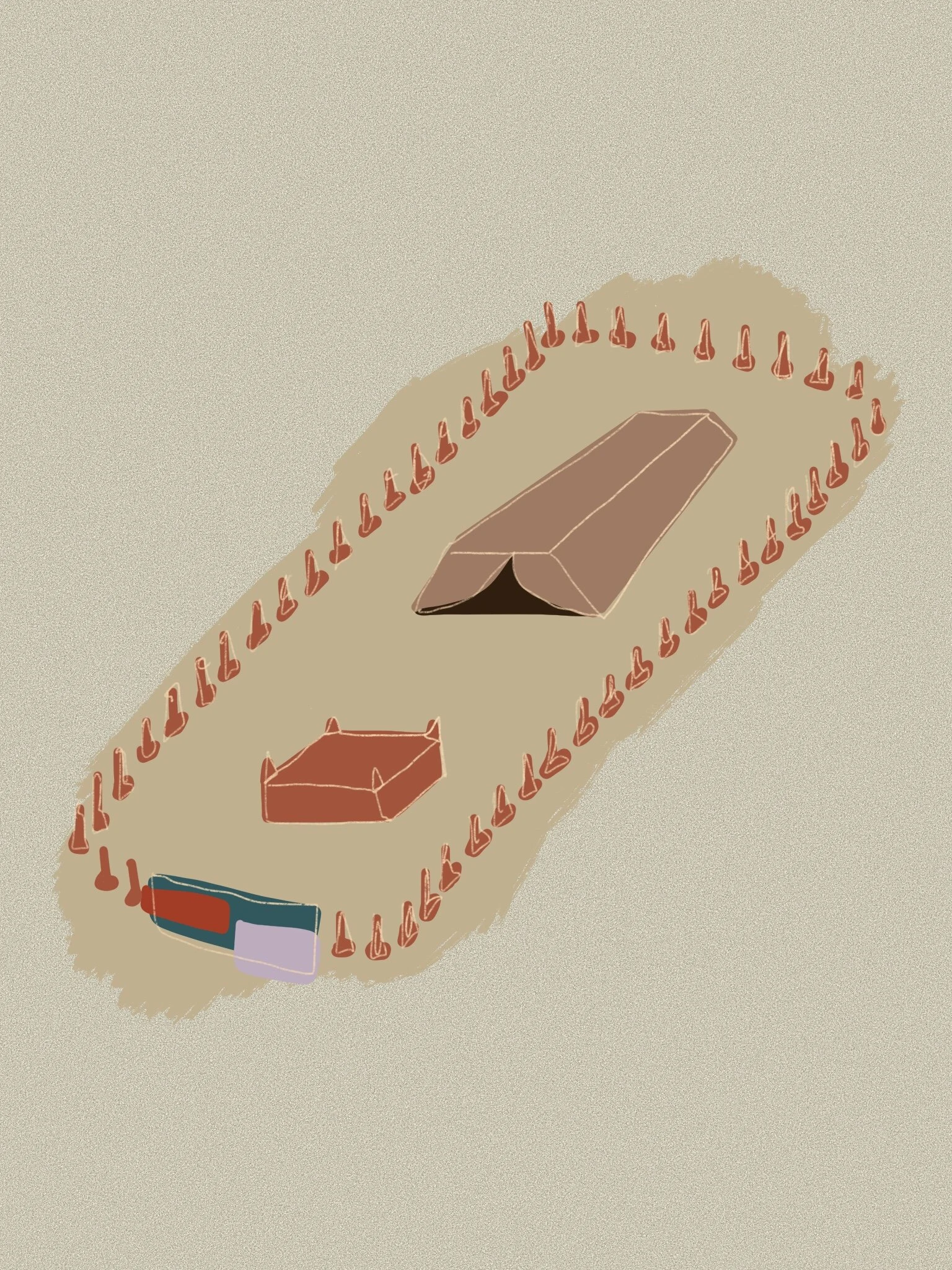
Finally, God gives instruction for the lamp’s oil and appoints Aaron and his sons to look over all that God asked of them with this tabernacle. Here we can ask questions of why the author of Exodus would give such detail of how the tabernacle was set up. Why would this be the first thing God instructs the people to create? Why would He want them to make it before they even reached the promised land?
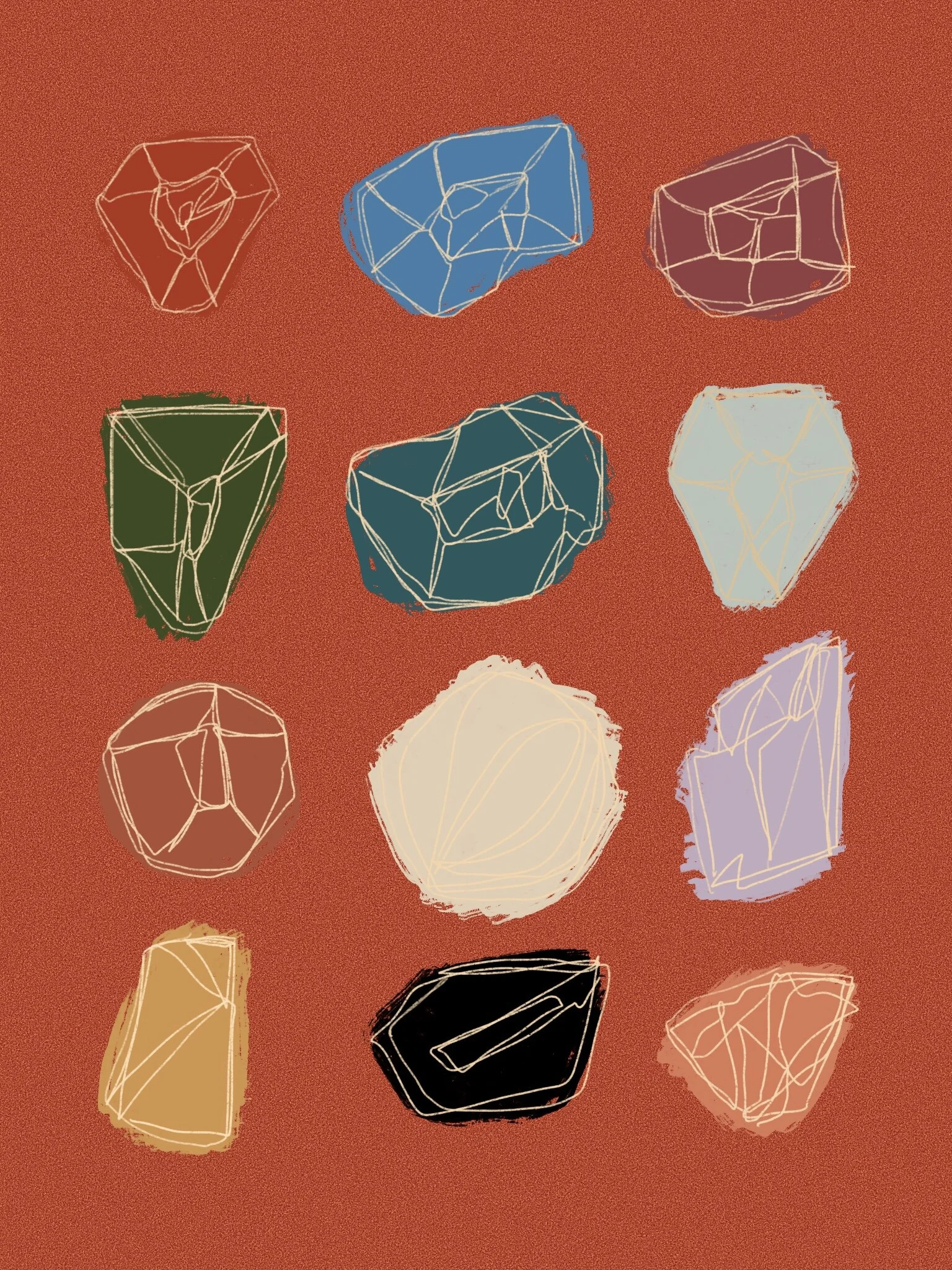
After giving instruction on the setting up of the Tabernacle, God set aside Aaron and his sons as priests. Repeated through God’s instruction to Moses about what the priests would wear, is the representation of the twelve tribes. God included a reminder of each tribe in the priest’s garments so that they were all included when the priests came to him. The priests were ordained in order to represent all the people. The offerings they made to the Lord were on the behalf of all the tribes. After being told how to clothe the priests, God told Moses how to consecrate Aaron and his sons to be able to come before Him. Why would this be important? Why is this the order that God initiated culture among the Israelites?
God required atonement for the sins of His chosen people. He can not be near sin because it is an abomination to Him. For this reason, and because death came after Adam and Eve ate the fruit, He asked the Israelites to sacrifice lambs each day that would atone for their sins. He was setting in place a practice that would allow the people to live in the presence of God.

“I will dwell among the people of Israel and will be their God. And they shall know that I am the Lord their God, who brought them out of the land of Egypt that I might dwell among them. I am the Lord their God.”
Last in this portion of the text, God gives more instructions which prepares the people to be in His presence and honors His holiness. Throughout the rest of the Law, God’s holiness is explored more deeply and it is easier to understand why all these Laws would have to be given. Here we’re reading what the people had to do in order to be ready for God’s presence to be in the camp with them. Though they were not the ones to go into the Tabernacle or speak directly with God, they were being allowed into the space He would reside. This meant special steps to honor that.

The contrast between Moses’ time on the mountain receiving instruction from God and what the Israelites were doing while they waited is a big deal. At the beginning of chapter 31 we read that God picked specific men to gift with the talent to make everything for the tabernacle and the priests. God then reminds Moses that the Sabbath rest is most important. While all this is going on, the people convinced Aaron, the soon to be priest, to fashion them a false idol in the form of a golden calf. There was no rest between leaving Egypt and finding a new god to put their trust in. As God was moulding them into a nation that would be close to Him they were already disregarding His Law. Why would this be significant for the author to recount in the text? Why would God still use these people that disobeyed Him so quickly?
God does tell Moses He is going to destroy the Israelites and continue His promise through Moses alone. Here Moses intercedes for the people as Abraham did for Sodom and Gomorrah in Genesis. God listened to these righteous men both times but still brought His perfect judgement. What does this say about His justice and relationship with humans? God had a specific promise He was carrying out through the generations of Abraham, with all the sons of Israel. The Levites share the righteous anger that Moses had when he came down the mountain. They are then appointed to be the ones in service to the Lord, working as priests and in the tabernacle. God had plans for all tribes and Moses’ intercession saved them from never getting the chance to be God’s chosen people.
This whole section of text is a big interchange between Moses interceding for the people of God and speaking with God face to face. What seems important to me here is that Moses had the confidence to ask God for things on behalf of the people because He had gotten to know God as if He was a friend (Ex. 33:11). Why would this be important for the original readers to see? Why would there also be instruction from God sprinkled into this part of the text? How does this fit into the bigger story of Exodus?

In contrast to the offering of gold to create the golden calf in chapter 32, God gave all the people of Israel a choice to bring offerings to create the tabernacle and the priest’s garments. It was about their heart, how they were open to serving God instead of their greed for an idol. Because of their choice to give, they gave in abundance. The people gifted with the skill to create all that was needed told Moses that the Israelites needed to stop bringing their offerings.

Throughout the description of the tabernacle furnishings are lots of imagery that bring us back to the garden of Eden. God set cherubim at the east entrance to the garden to guard the way to the tree of life. Here, He has the ark of the covenant be covered by two cherubim. There are pomegranates and a lamp stand fashioned after an almond tree. Why would this imagery be so important? What would it say to the reader who had also read the story of Genesis and Adam and Eve?

In Exodus, there are two descriptions of all that was created for the tabernacle and every garment for the priests. This was this first task God had given His chosen people. They were becoming a nation and God was going to dwell among them in the Most Holy Place in the tabernacle. This book would be a record of the way God saved the Israelites from slavery in Egypt and established them as their own people. Why would the people reading Exodus need to know the specifics of the tabernacle so much that the author put it in the book twice? Why would the tabernacle and the priests be what God told the people to make first? Why would this be how the story of Exodus ends?
In chapter 39 each paragraph ends with the phrase “as the Lord had commanded Moses.” The priest’s garments were just what God had asked for. The men representing the whole of God’s people were ready to become priests because they honored God’s word. Repetition of words or phrases can often help us see what the author means. God told Moses that things needed to be done a certain way and, though the people had already gone against His word, they listened this time and made sure to follow God’s commands. God had been telling them that when they followed His commands they would be blessed and the author is showing that the people were starting to do things right.
As the people were in the wilderness at the base of Mt. Sinai God was setting up a covenant with them. His holiness and their sin did not fit with on another but He wanted to have a relationship with His people and had already made a covenant with their forefathers. God’s plan was to make this nation into an example for all other nations of what living in holiness could look like. As Exodus comes to an end, it is clear that God was setting these people apart. The tabernacle was assembled and anointed and so were the priests. His presence settled on the tabernacle and the Israelites followed God wherever and whenever He led them. God was dwelling among the people and they were living in the promise God had made to Abraham so long before.

You Finished Exodus!
Now that you have finished observing and interpreting, I would encourage you to reflect on the timeless truths you have found in the Word and to apply it to your life. Here are some questions to help bring Genesis home.