
Genesis



Genesis Collection
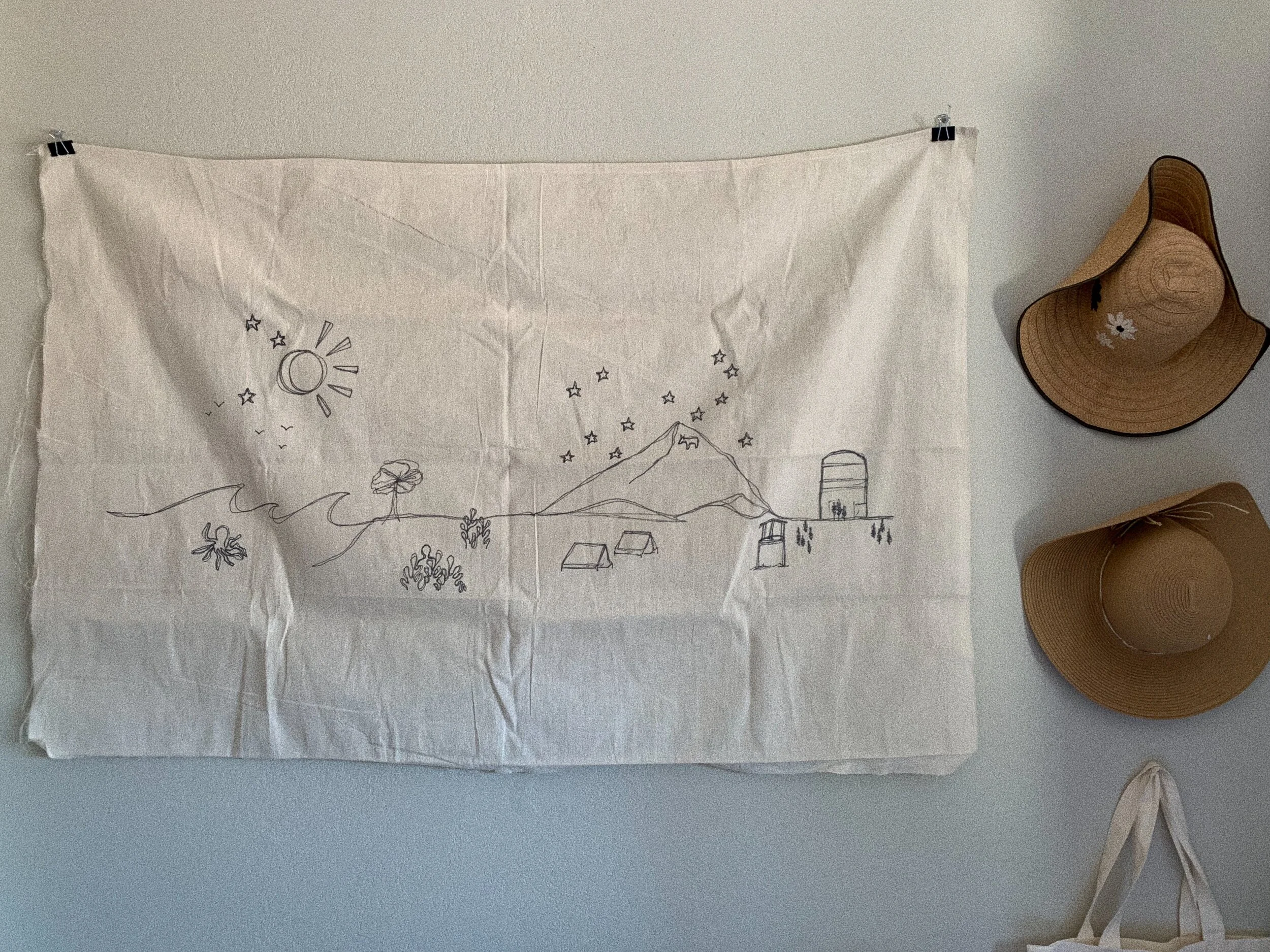
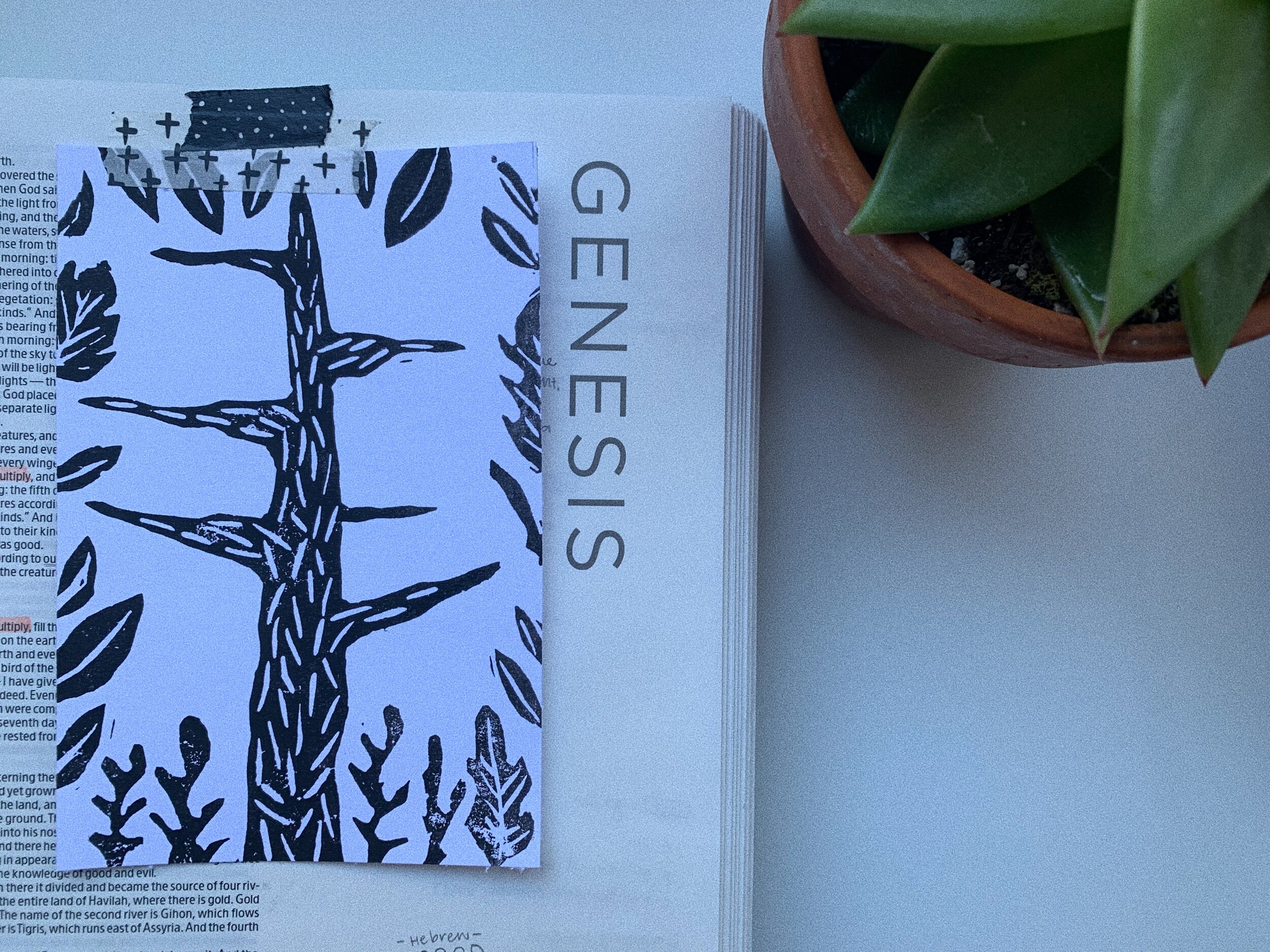
My goal with this website is to provide the basic help anyone can use to study the Bible and be inspired by God’s Word. I will never charge for the Bible Study because I want it to be accessible to as many people who need it as possible. I have, however, created a tapestry and a hand stamped card for Genesis that I will be selling. If you would like to support me and this website I would love for you to take a look!
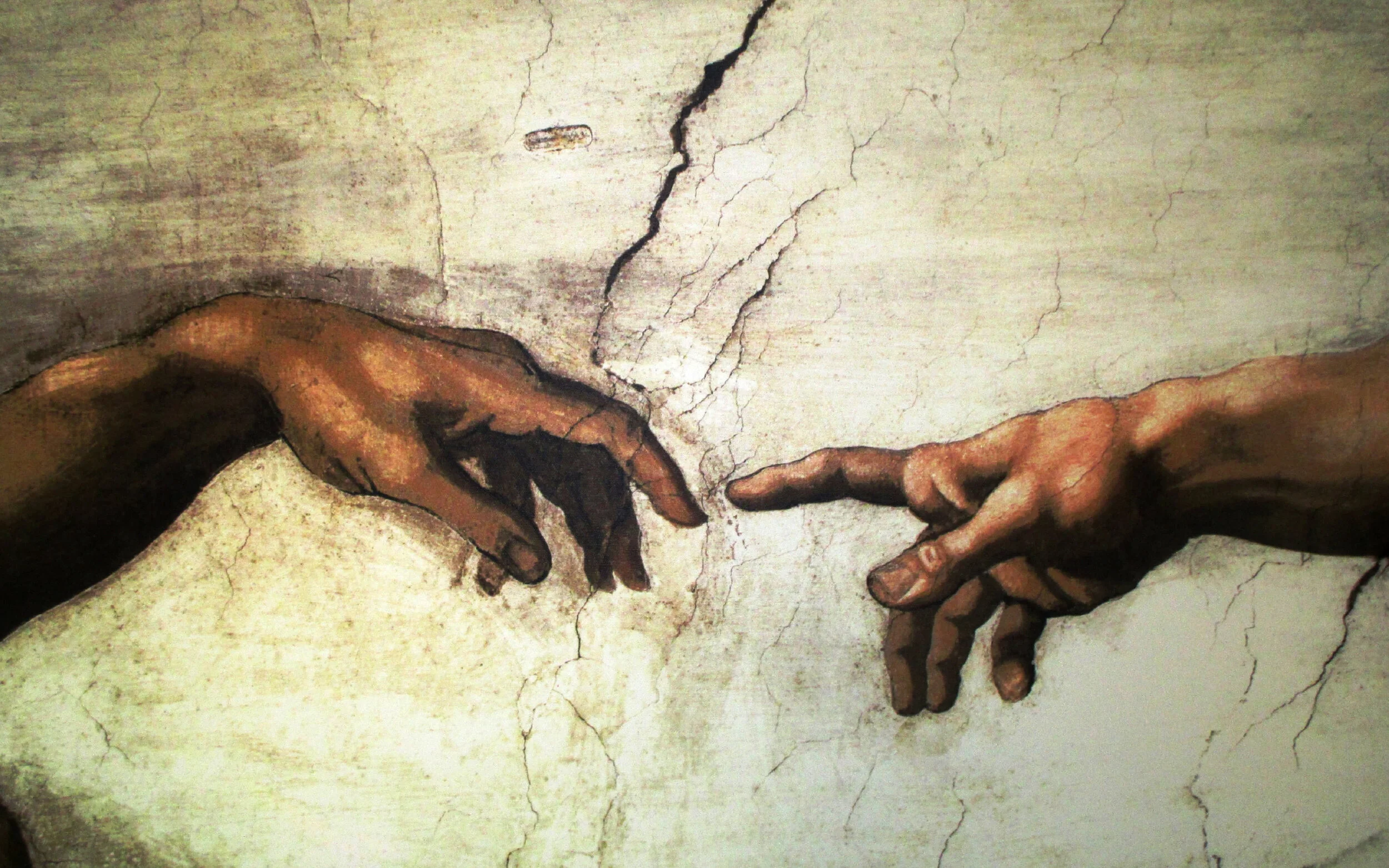









Human beings were made to be reminders of who God is. We were made in His image. In the garden, man was deceived into thinking that they needed to eat the forbidden fruit to be made like God, when we were already like Him.

After Adam and Eve sinned, they had to be removed from Eden so that they would not eat the fruit from the Tree of Life and live forever separated from God. To the east of the garden God placed a barrier between Eden and man. When Cain killed his brother Abel he was sent away from the presence of God and moved east.
East in the Bible often represents being farther away from God. You can look for these big themes through scripture as you go!
Some others to follow are God’s relationship with people, God’s justice, Covenants and Promises, and Love.

Genealogies in the Bible can be easy to skip over when you’re just seeking out the lines that apply to you. As you begin to think about the author of the book and the original reader it can bring a new perspective.
First, many of the family lines listed in the Bible are found in round numbers, likely used for symmetry. You can pull these out as you observe the text and ask yourself why the author would likely omit names to keep the numbers symmetric.
It is also important to keep the big picture of the Bible in mind. In the time of Moses, the likely author of Genesis, the Hebrews in the wilderness were trusting God to fulfill a promise He had made to the patriarchs of their faith. Genealogies gave proof to the people that they were descended from the ones given God’s promise.
There are so many questions you can ask about the genealogies in the Bible and I hope you take time to read the names and ponder their purpose!
To learn more about genealogies in the Bible you can click this button!


God’s Regret
At the beginning of chapter six, as God is disappointed with the way humans are behaving, it says that God regretted having made man. If God can see what’s to come, why did He make man knowing this would happen? Why would God regret the creation He favored most? Struggle with these hard questions. Even if you don’t answer them right away they are so worth asking.
I have created a contact page where I would love to talk about these questions with you. As you read I want to hear your thoughts on what you have found. I have so much more than I could fit on one website that I would love to share with you!



God’s Covenant With His People
In Genesis we get the first glimpse at God’s commitment to people. After the regret He feels for having made humans and the subsequent flood He caused to start anew with Noah, God makes a promise that He has not broken even still. His covenant stands. We can take Him at His word. Notice the times He makes a covenant with His people. There are similar words that go along with each and there’s also a sign. This time it is a bow in the sky. He leaves a mark and ensures He is remembered.


The end of Genesis 9 contains an uncomfortable moment between Noah and one of his sons. One important thing to note within the cursing of Ham’s son Canaan is that, as these families became nations, Canaan was the land that God promised Abraham his offspring would inherit in chapter 12. Abraham was a descendant of Shem and Noah cursed Canaan to be his servant. Keep this in mind as you continue reading these books surrounding Israel’s establishment as a nation.
As you read the genealogies in chapter 10 you may also notice that almost all of Israel’s Old Testament enemies came from the line of Ham.
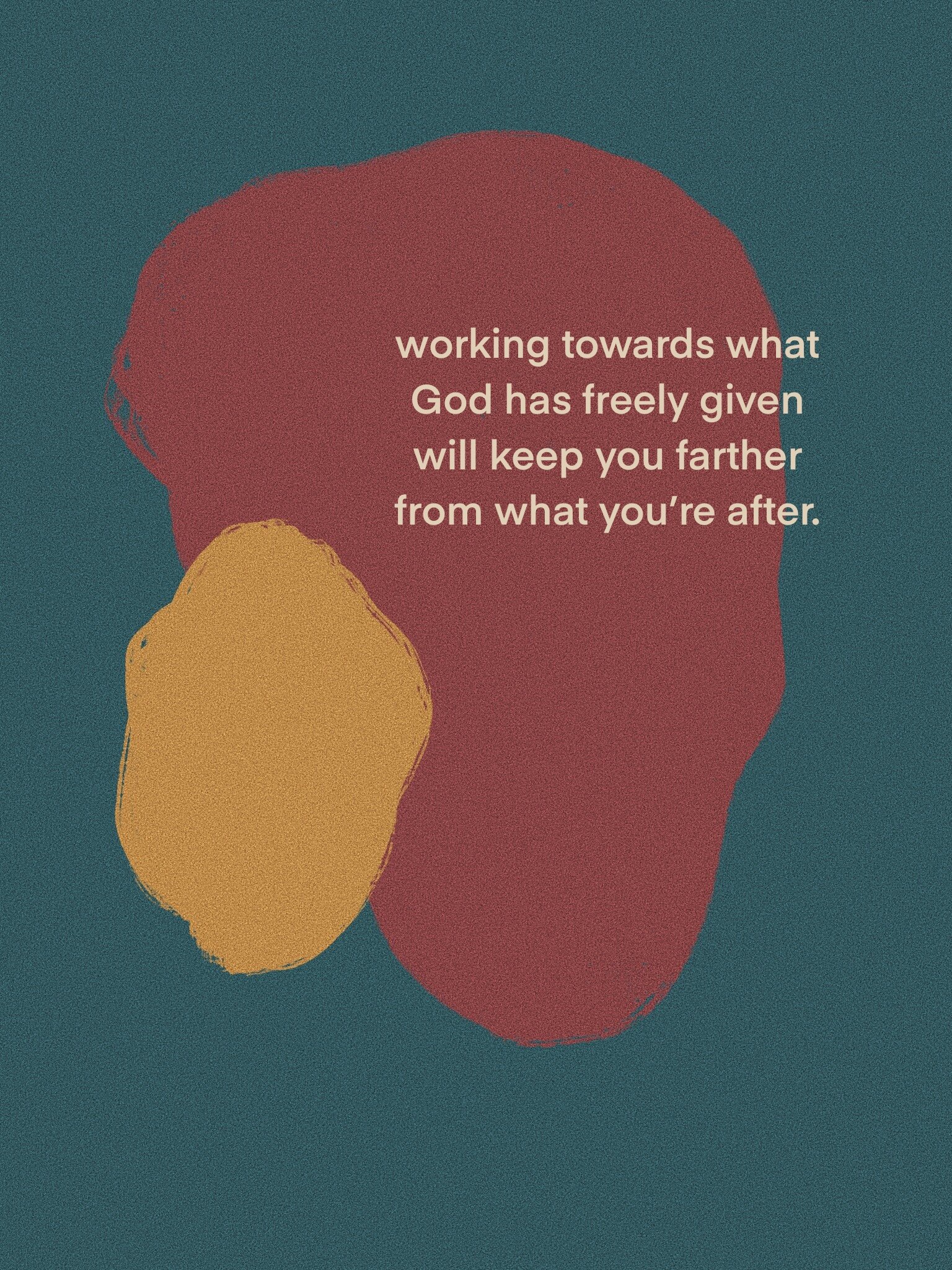
The Tower of Babel was man’s work without God. When we work with Him we are limited only by how much we trust Him!

“And I will make of you a great nation, and I will bless you and make your name great, so that you will be a blessing. I will bless those who bless you, and him who dishonors you I will curse, and in you all the families of the earth shall be blessed.”
Genesis 12:2-3
Abraham is a patriarch of Jewish and Christian faith but we see in Genesis 12 that even he was prone to doubt and slip ups. He lied to the Egyptians about his wife and God caused great pain in the land.
This is another theme you can track through the entire Bible. God uses broken people who don’t live perfect lives. Our faith cannot be based on what man can do, not on what we can do, but only on what God can do and what He will do through us.


Abram was loyal to his family. His nephew Lot lived with him until their possessions were too great to fit in the same land. After the two parted ways Abram still looked after his nephew when he was needed. These are moments we can observe and ask why Abram would feel the need to protect Lot.
Abram blessed and provided for by God.
After Abram saved Lot, and the others in his company, he is met by the kings of Salem and Sodom. They bless Abram and offer him gifts in return for what he had done. Abram does not accept because of who God is and his trust in the Lord. This seems to be his proclamation that all good that came to him and that was done through him was because of Lord working with him.


God’s promises are not to be taken lightly.
Compare and Contrast Hagar and Sarai’s story

What did God do for these women? How did they differ in their response and trust? What similarities did their sons inherit?
vs.

Why would God still bless Hagar? Why would Sarai try to take things into her own hands?

Abram to Abraham
As God established His covenant with Abraham He made a change to his name to convey the significance of His promise. His blessing was to cover many aspects of His life and was to be remembered by everyone.






Abraham and Sarah were nearing 100 when God promised them a son and a great nation from their offspring. They believed God, as it says in chapter 15, but they still laughed at the idea. Abraham knew his wife was way past child bearing age but it didn't stop him from believing that God could make a way. When Sarah heard God promise Abraham she too laughed at the idea. Some things God promises are so big they are laughable but that doesn’t stop them from being true.
Intercession
After God met with Abraham and promised him great things, He was on His way to deal with despicable sin nearby. As Abraham heard of it he asked God to look for the righteous and just and spare them. God listened and Abraham kept asking.
God doesn’t need to be persuaded. He is the complete opposite of sin and will not tolerate it. But He the perfect judge and listens to those who talk with Him.
He made us to think and feel and communicate. He didn’t have to tell Abraham what He was going to do to Sodom and Gomorrah but He did. He listened to what Abraham asked of Him.
Keep an eye out for the theme of intercession and prayer through the Bible. Praying for others and asking God questions is a part of how He made us to be.
Abraham’s plea with the Lord was heard, but Sodom and Gomorrah were too corrupt to save. The only righteous one found in the city was Lot, Abraham’s nephew. God listened to Abraham and gave Lot and his family the chance to escape before the cities were judged. Their only requirement was to run and not look back.
What was God doing as Lot and his family were running?
Why would it be important for them not to turn around?
Pulling out these questions can help you see the picture the author was painting as they included this part of the story.
The next part of Genesis 19 is even stranger. Lot’s wife is gone and he is living in a cave with his daughters. What about a family line is so important that it would lead to his daughters doing something so inconceivable?

In chapter 20 we see God stepping in when Abraham and Sarah lie again about their relationship. Once again they have taken matters into their own hands and try to protect themselves through lying. But God doesn’t let them get away with it. We see that the covenant made between Him and Abraham wasn’t the only thing protecting people of the time. God warns the king Abimelech of Sarah and Abraham’s relationship before anything bad could happen.
Why would Abraham and Sarah keep lying to try to protect themselves?
Why would God warn Abimelech?
Why would this be written right after God deals with Sodom and Gomorrah.
Notice that God’s faithful love is for all mankind. He is a righteous judge but He is also a loving creator.

Laughter
After an interruption of intercession and God taking care of others, the story continues on, showing the fulfillment of part of God’s promise to Abraham through Isaac’s birth. As we looked at yesterday, laughter surrounds this event. Abraham laughed when God first promised him an heir through his wife and so did Sarah. Now we read that Isaac was named because God brought them laughter. It seems to be a celebration of the absurdity. God’s achievements can be way outside what seems logical or possible to us. His plans can seem laughable, but that doesn’t stop them from being fulfilled. He does what He says He will do and we are invited to laugh and with Him in our astonishment at what He does.
The story does, however, lead into another moment where Sarah hears Ishmael, Abraham’s firstborn, laughing as well. This is a bitter moment for her and Ishmael and Hagar are sent away. In this painful time for the “unwanted” family members, God hears them. He hears their crying out and protects and makes promises to them too. Ishmael was promised to become a great nation along with his brother Isaac. He did not carry Abraham’s full promise but God ensured He would be protected as he lived.

This section of Genesis seems to flip between two different stories that go alongside each other. This is called an interchange. An author might use an interchange to show how two seemingly different events actually correlate.
From chapter 12 on, we see an interchange between God’s promise to Abraham and outside situations that affect Abraham’s life. Why would the author want to put these two stories hand in hand here? How does this increase our knowledge of who Abraham is and what God was doing at the time?

Give Him Your All
God asks Abraham to do something unthinkable. Isaac is still young and who God said would father nations. Abraham is asked to sacrifice him to the Lord. This could not have made sense, yet Abraham obeyed. Abraham’s trust in God at this point is hard for me to grasp. He could have been carrying fear and doubt but the author doesn’t show that in the text. The author writes that Abraham told Isaac that the Lord would provide. Abraham’s faith was stronger than his fear and he knew he could trust that God’s word still stood even as He asked him to do something that didn’t align with what was expected.
I still don’t fully understand this passage or why God asked Abraham to do this but as I study inductively I can start to see the author’s intention of including this in the narrative. The Israelites were living in the wilderness at the time this book was written and had yet to see the rest of God’s promise to Abraham fulfilled. They were moving forward and would have to trust God in the unknown. Reading of Abraham’s trust in God’s provision could have been incredibly encouraging to them and strengthen their own faith.
God is known to provide and fulfill His promises. This isn’t something we have to question. Even in the craziest steps of faith, we can trust that God knows what He is doing even when we don’t.


Family lines in the time of Abraham were incredibly important. As Abraham was growing old he had someone who worked for him promise they would find a good wife for Isaac from their homeland. This servant was unsure how well this would work because it required the young woman to leave her family and land behind, to trust this family and live with Isaac, waiting for God’s promise to be fulfilled.
But Abraham was trusting God. He knew the promise on Isaac’s life and had confidence that God would provide a wife for his son. Abraham’s servant set out to find a young woman for Isaac to marry and prayed that the Lord would bless his search. The Lord answered his prayer so quickly and Rebekah was soon brought back to be Isaac’s bride.
Rebekah is described as a beautiful young woman with a kind and hospitable heart. She brings back Abraham’s servant to her home and her family knows that the Lord was moving. They give her the choice to leave with the servant right away and Rebekah chooses to, not wanting to hinder what the Lord was doing.
What could the author be trying to portray through giving this example of Rebekah’s obedience to the Lord?
Why would this be significant to the Israelites living in the wilderness?


As Rebekah and Isaac prayed for children, the Lord listened and answered. Rebekah gave birth to twins and the Lord told her that two nations would come from her and that the older would serve the younger.
Twins arguing over who’s older and sibling rivalry were probably huge in this household.
As the boys became men they led very different lives and Esau, the older brother, sold his birthright to Jacob for stew. Esau took his inheritance so lightly it was worth one meal to him.
Why would it be significant that the younger brother got the inheritance?
What does this seem to say about God?

Generational Mistakes
As the promise that God gave Abraham was passed down to Isaac, so were some of Abraham’s mistakes. Isaac had to live in a foreign land and claimed Rebekah was his sister. In chapter 26 there is a small interchange that reflects the bigger interchange we saw with Abraham’s story. It goes between God reminding Isaac of the promise and Isaac dealing with people from other nations.
Why would the author continue with this parallel? It seems as though they were pointing at a cycle or pattern that didn't just end within one generation of a family. Possibly they were warning the Israelites that would be reading this story of the patterns that were easy to fall into.

Upside-down Kingdom
Esau already lost his inheritance and birthright, now Rebekah helped Jacob trick Isaac into giving him a blessing that left nothing for the older brother. God had promised Rebekah before the twins were born that the younger would rule over the older. God works outside the limits of human understanding and our culture and religion won’t stand in the way of that. This is something that comes up again with Jacob’s sons and beyond to when Jesus came.
You can follow this theme as you study, looking for the ways God works against what we would expect. He uses the unconventional, showing He is unconditional.


Dreams carry great significance throughout the entire Bible. Be sure to look for them and ask about their weight and meaning. They can be a way for God to communicate with people and share inspiration and connection. God has reiterated the promise to Jacob through a dream and gives him a location to stake the promise. This brings Jacob to the realization that God was truly with him and incites awe that leads to an offering. Knowing all he had came from the Lord, Jacob vowed to give back to God a portion of what he had been blessed with.
Why would this dream spark this in Jacob?
Why would dreams be a significant way for God to communicate with His people?

After Jacob dreams the promise of the Lord and devotes an offering of all that he had to Him, the story goes into telling of his growing family and wealth. Jacob worshiped God and believed His word in Bethel before he saw any evidence of them taking place. The next thing we read is that all that God said was fulfilled. This also would have taken place over at least fourteen years, as Jacob worked seven years before marrying Leah and pledged another seven years in order to marry Rachel.
This is where the text and the author’s intentions in writing become interesting. Here they are showing the correlation between God’s promise and Jacob’s faith and what happened for those to be fulfilled. There was deception and competition in the years between and nothing fell into perfect place but the author shows that God was still in control.
Deception is a theme through this section of Genesis. Beginning with Rebekah and Jacob’s tricking Isaac into blessing the wrong son, and continuing with Laban taking advantage of Jacob, causing him to have worked for and married the wrong daughter.
There seems to be a link between these two moments, and, though good ended up coming from both, they were likely not the way for God intended blessings to come about.
This seems to show that God uses broken situations and even mistakes for His plan. Through Rebekah’s preference of her younger son, Jacob was blessed to become great and carry the promise of Abraham and Isaac. Through Jacob marrying Leah before Rachel, came two important sons that led to the tribe of Levi, the priests of Israel (and Moses’ family line) , and the tribe of Judah, the family line of Jesus.
God works outside expectations and can use human mistakes to bring about His glory.

Another great thing to keep a look out for through the entire Bible is when God speaks and when God moves. Tracking the difference can be incredibly significant. In chapter 31, as Jacob is fleeing from Laban, the Lord only speaks three times but is clearly present through the entire chapter. These moments of God moving even when He isn’t constantly speaking come up often and they are interesting to track. Often we can look at the Bible like God was so much more involved then and we forget that it’s a condensed history of a massive span of time. The moments we observe God speaking hold immense weight but there are also great amounts of text that show how God moved subtly.
This Bible study takes a year and gives you and easily readable portion of text to read each day, to continue looking at the big picture and to keep perspective of the narrative, it can be so helpful to ask each time you look at the text what God’s plan was in moving through the people He did, at the time He did. Ask why the author would find it important to include what God specifically told someone but also what God’s purpose could be in not always being so direct. The answers to these questions aren’t always easy to come by but digging a little deeper each day can help you begin to see the Bible story as a whole and how it can still relate to us today.

We haven’t yet gotten to Joseph’s story but we’ve already seen a pattern of sibling rivalry throughout Genesis. When looking at Jacob and then Joseph we can contrast their experiences. Jacob wronged his brother Esau and in these chapters we follow their reconciliation. Coming up, we will read of Joseph being wronged by his brothers and how that affected his life. As you read about Jacob and Esau and the fear Jacob had in reuniting, you can ask why God would allow the promise to go to someone who wronged their brother. You can look at the way God worked outside expectations and what the author was intending by showing Jacob and Esau finally meeting and putting aside their past.
Once we get to Joseph’s story we can keep this in mind and ask why Jacob would have the opposite experience of his son and what this implies about how God works and what the author wanted to portray.
Intercalation
Between the description of Jacob and Esau’s reuniting, we get a quick story of Jacob wrestling with God. It almost seems out of place, like it breaks up the story of the brothers. These interruptions can be completely intentional by the author and often have more to do with the surrounding story than it may first seem. An important question that we can always be asking when we study the Bible, but especially helpful when looking at intercalations is: what is God doing in the story around the interruption and what is He doing in the interruption? At first, they may appear unconnected but, as we continue observing, we may see that there is a reason behind the change.
Whatever the reason for the intercalation, God used the time to come face to face with Jacob. This was not something that commonly happened. God’s glory was too amazing for man to see and almost all who did would die. Jacob was reconciling with his brother and leading his family home, God showed up and looked face to face with the man carrying His promise.


Next in Genesis we read of Jacob’s daughter Dinah being defiled. With all of the cultural differences between then and now, this was something that has always been horrible. Dinah’s brothers are furious and act against the nation that harmed their sister quickly. In the end, they had their revenge but left their father in a bad state with the surrounding nations. The Canaanites and Perizzites were their enemies and this defeat would only create a deeper divide. But God’s promise still stood. Jacob listened to the Lord and went back to Canaan where God had appeared to him in the dream. Once again He gave His word of the promise that Jacob would inherit the land. God changed Jacob’s name to Israel which became the name of the entire nation that the Hebrews inherited. God was not limited by the rash actions of raging brothers. Jacob was given the same task God had been giving made from the beginning. “Be fruitful and multiply.” And multiply he did; Rachel had another son named Benjamin, leaving Jacob with twelve sons, who would become the namesake of the twelve tribes of Israel. Moses writing Genesis in the wilderness was showing the people that God’s plan for them could not be stopped. He worked in more ways than one and was going to move on their behalf even if they felt hopeless and lost in the desert.

Compare the genealogies of Esau and Jacob. In chapter 36 we read Esau’s lineage and the chiefs and kings that came from his family. Right after the author goes into the generations of Jacob but quickly starts another story of his son Joseph. Why would Esau’s be more concise and Jacob’s be of one son and what happened to him?



Joseph’s dreams set him apart by God and singled him out in his family. God was speaking to Joseph of what He had planned for his life years before it would ever be seen. These dreams were the shift that turned his brothers’ jealousy to hatred. Though the circumstances were harsh, God was setting up Joseph for something he could only understand by the glimpse in the dreams he had.
Keep tracking the dreams and looking for their purpose in scripture.
After reading of Joseph being sold into slavery in Egypt by his brothers we read another intercalation about Judah and the child he bore by his daughter-in-law disguised as a prostitute. It seems like a strange thing to include in this story but there are a few reasons this can be important. First, it shows a great contrast to Joseph as the author is setting up his story. Joseph sticks to his morals and faith even as he is put in horrible circumstances. Judah went back on his word to his daughter-in-law and then laid with a prostitute. This contrast may be used to show that Joseph was used for a reason by God and that He saw the integrity in him from the start.
The other significance this interruption about Judah holds won’t come up again until the first chapter of the New Testament. Matthew 1 gives the genealogy of Jesus and includes Zerah, Tamar and Judah’s son. Why would God use this family line to produce our Savior? Why not even another on of Judah’s children? Why would Moses find it important to include this section of the story when he didn’t know anything of Jesus?
This section, though maybe confusing at first, leads to something so important and interesting in the big picture.
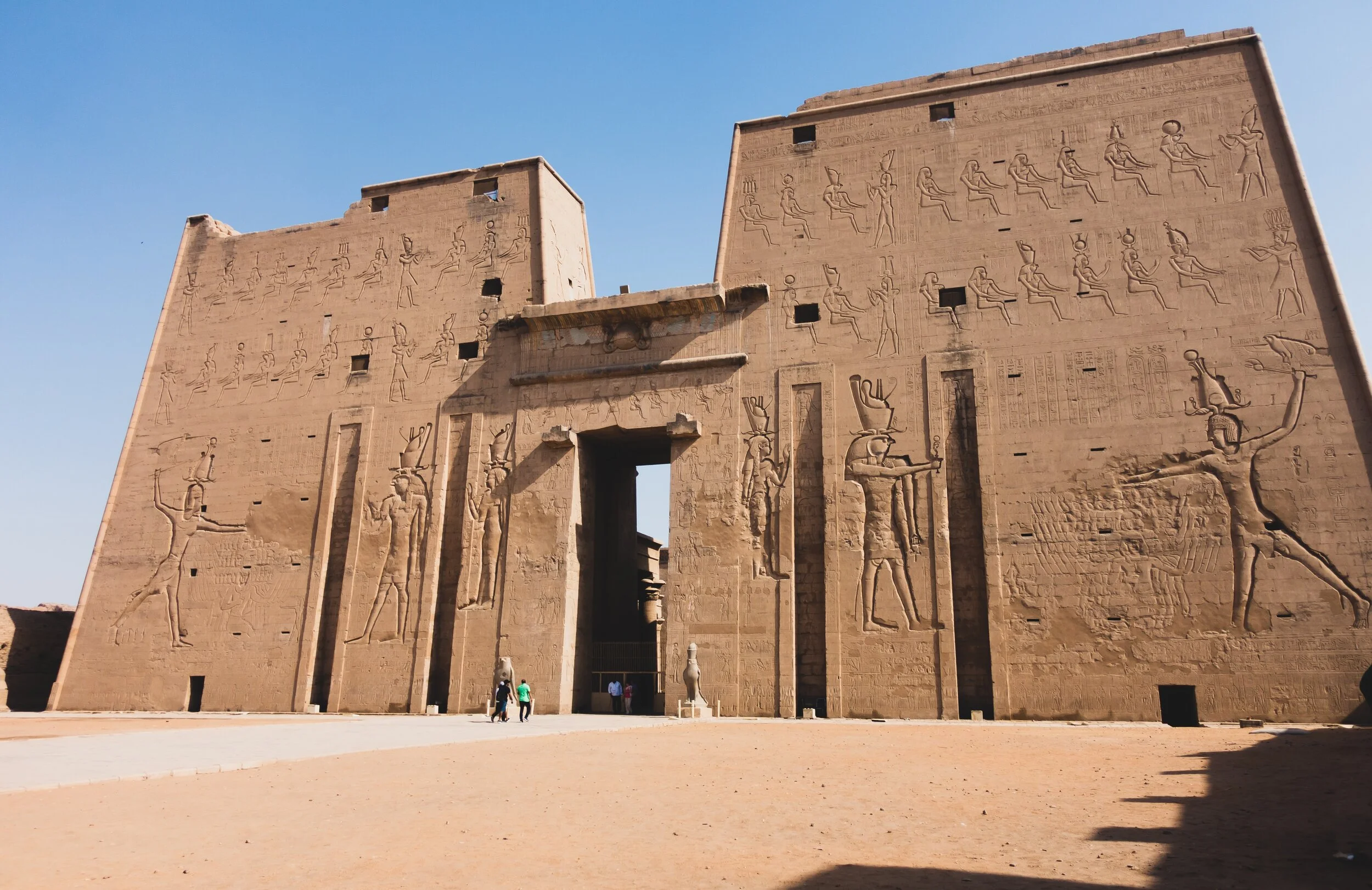
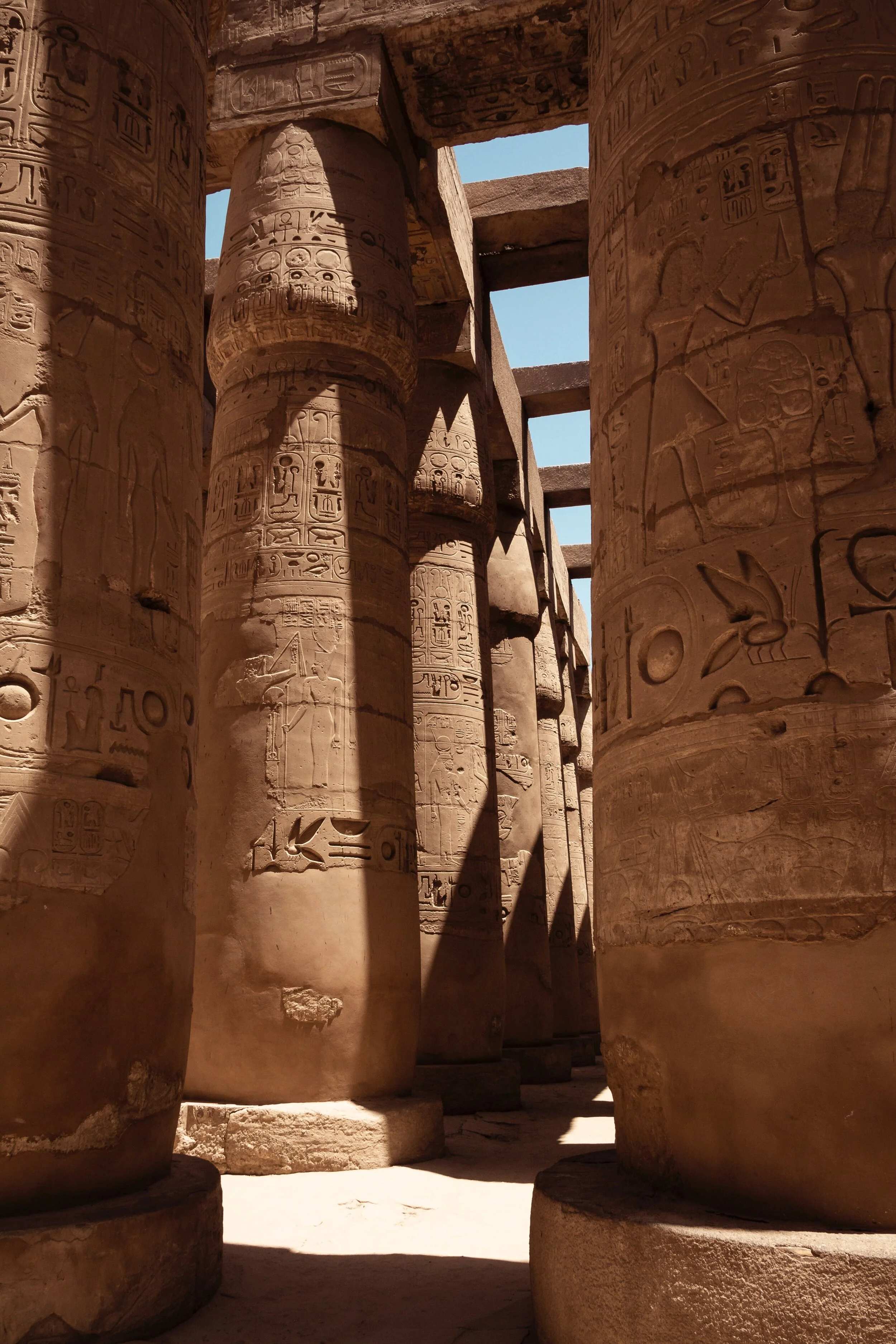
Joseph gets to Egypt and quickly becomes successful through the favor of the Lord. For Joseph’s sake his master was blessed. Joseph was well taken care of and liked. This goes back to the promise that God made Abraham when He said he would bless those who blessed him. The promise was for more than just Abraham himself, this covenant between man and God was being passed down through the generations and being played out in Joseph’s life even as he was sold into slavery.
Even with the Lord’s favor, there were people that took advantage of Joseph. Potiphar’s wife tried to use him then blamed Joseph for the incident. This led to Joseph going to prison but even there the Lord did not leave him.


“But the Lord was with Joseph and showed him steadfast love and gave him favor…”

Even in prison, the Lord caused Joseph to prosper. He had control of all that was done around the prison and the Lord made him succeed. God’s plan for Joseph’s life could not be stopped by his brothers selling him into slavery. Not by a married woman trying to seduce him. Not even by him being sent to prison. God was working something for His glory and for the plan that He had told to Abraham. One day Joseph’s family would inherit a large amount of land but first they were destined to spend four hundred years in a land that was not their own.
The Israelites in the wilderness would know this story because they were the ones experiencing it. They were in between the two promises. Reading of Joseph moving to Egypt would show them how they came to live there for so long but they would also read how the Lord didn’t stop looking out for him and that He was good at preserving His word. The Israelites could hold on to the hope that God wasn’t finished with them and that the rest of the promise He had made to their ancestors in Genesis would come to pass, just as His word to Joseph did.

God used the gift that he had given Joseph as a young man to give him a chance in prison. Joseph’s confidence in this gift was what helped fulfill God’s promise to him. The men in prison with him were connected to the most powerful man in Egypt. Joseph only had to use what he already had to get where he was going.



Not only did God use Joseph to speak to Pharaoh, He used him to save the whole world from the famine that was coming. Because Joseph was around, God gave him wisdom to help keep Egypt from going without when food was most needed.
Why would God use Joseph this way? Why would the Israelites need to read about this? Why would God send the famine? These questions are interesting to look at right now after you have read these chapters but also will be something to ask again once you have finished Genesis. These last few chapters finish off with Joseph’s story and leads right into Exodus and the Israelite’s lives who would be reading this book in the wilderness.

Within these two chapters of Genesis, the author presents a cycle of events. The famine causes Jacob’s family to search for food in Egypt, Joseph sees his brothers and interrogates them, Joseph weeps out of their sight, then a brother is chosen. The first time this all happens, the brothers are incredibly intimidated and scared. They give up hope of getting their brother Simeon back and fear because their money was returned to them. The next time they go in afraid but end up celebrating in Joseph’s house without knowing why. Benjamin becomes the guest of honor because Joseph knows they share a mother. Still, he hasn’t shared this information with his brothers and has only shown emotion about the situation when away from them. Why would this be the way Joseph responded to the situation? Why make the brothers choose who to leave behind? Why not just tell them who he was? Why would the author of Genesis want the Hebrews in the wilderness to read this part of the story?

When studying narratives in the Bible, it’s often easier to look at a bigger section of the story and pull out themes and observations through the whole. On days of the Bible study when there are only a couple chapters to read it can be a good idea to step back remember what you’ve already read and how it affects the text you’re reading now.
The beginning of Genesis starts with God’s great creation but also the sin that came shortly after. We see God’s deep love for human beings and the separation that came from the fall. Though they were separated, God still had a plan for people and made a covenant promise with His righteous servant Abraham.
How does this relate to what is happening with Joseph and his brothers? How are the effects of sin evident in their reunion? How is God’s promise to Abraham seen through these brothers? The story of Genesis as a whole has a purpose.

Joseph once again sends his brothers away with food and without revealing himself to them. Once again he has their money replaced, but this time he also adds something of value from his home into Benjamin’s bag.
Why would he want to frame his brothers just to reveal who he was when they come back? Why would it be significant that Judah fought so hard to protect Benjamin?
This seems to parallel to the betrayal of Joseph by his brothers when he was sold and how Judah didn’t do much to stop it then.

As we near the end of Genesis, we read of Israel’s move into Egypt. Just as the Lord told Abraham would happen, the sons of Jacob were living in a land that was not their own. The favor the Lord had shown Joseph in the land was enough to bring about what He had planned for the long term. He still promised Jacob he would be a great nation but there would be a time of sojourning first.
Why would God move them into Egypt for so long? Why did it start off so good for Joseph and his family and then, as we will read, end so painfully for the Hebrews who lived after them?
This story speaks of great prosperity, even in the time of famine. Joseph was ruling the nation of Egypt and was keeping everyone alive. Jacob had many sons and family members and livestock and possessions in Canaan that he brought with him to Egypt. Pharaoh promised the family that they would not be in need.
Joseph saw that what God was doing was important and had a bigger meaning than any of them would realize.

God used Joseph to bring prosperity to his family and used this famine to settle Israel and his sons in the land of Egypt. Through Joseph’s wisdom, Pharaoh prospered greatly and through Pharaoh Joseph and his family were in want of nothing. This blessing was in God’s control from the very beginning and Joseph saw this.
This move to Egypt and prosperity through Joseph also led to Jacob calling Joseph’s first two sons his own and including them in his inheritance. Jacob never thought he would see his son again and now that he had, he wanted to bless him even more. Because of Joseph’s faithfulness to listen to the Lord, the dreams God gave him as a young boy were fulfilled.

Blessings
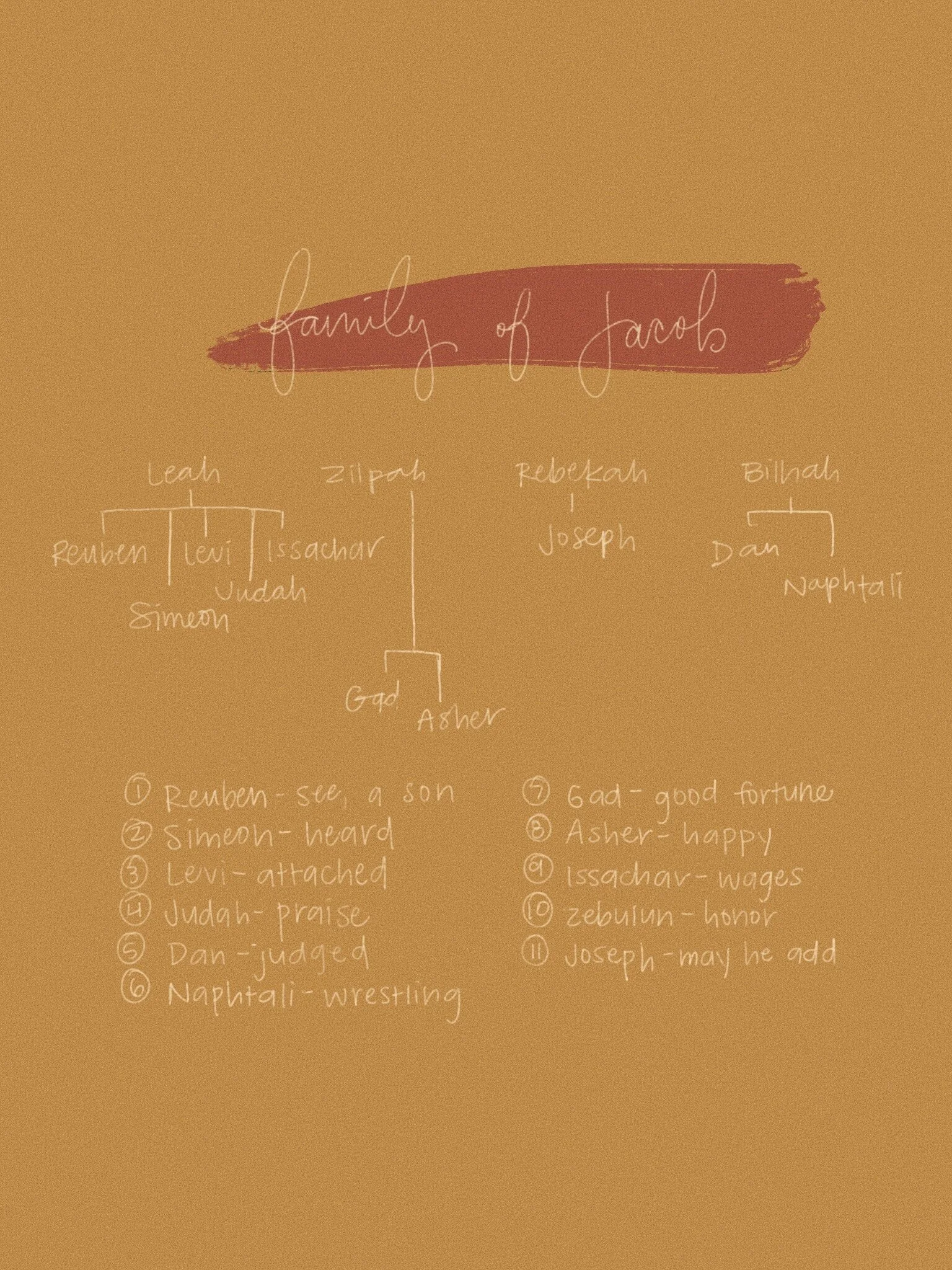
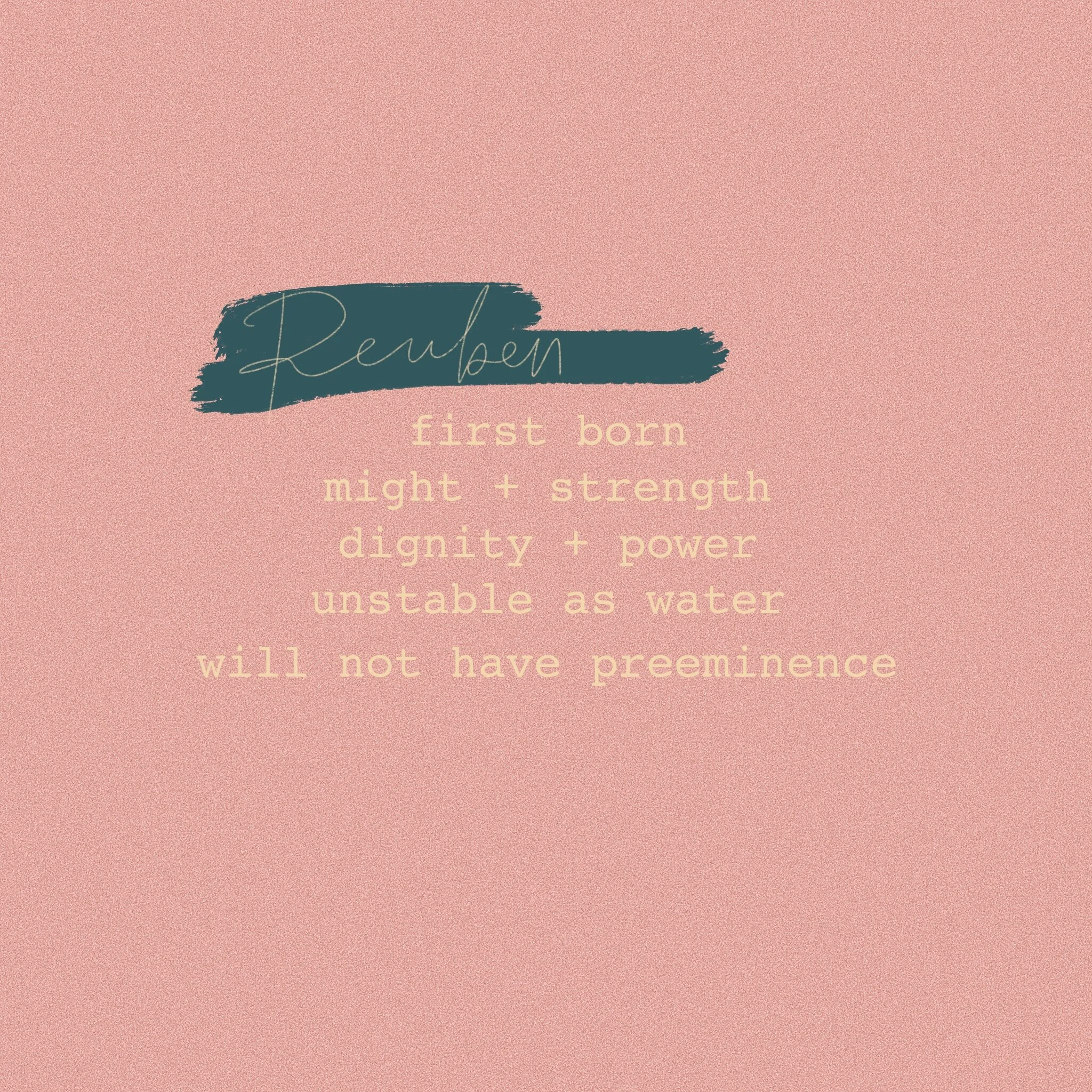
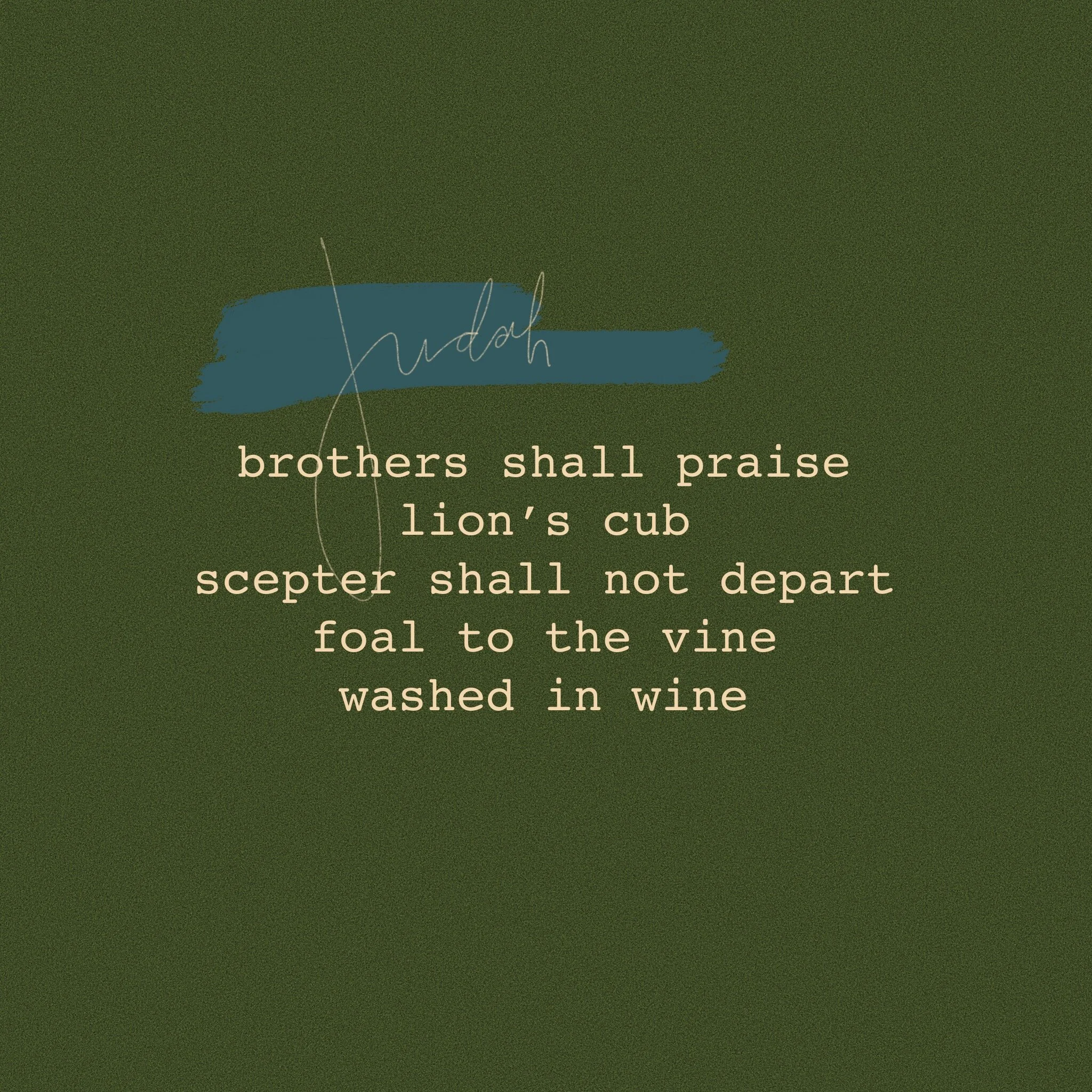
Before Israel died, he left each of his sons with a blessing. These blessings, along with their inheritance were an important part of what a father left to his sons. Jacob took Isaac’s blessing from Esau and now was bestowing one to each of his twelve sons, including Joseph’s two boys. Ending Genesis with these blessings is important because, as Israel grows into a nation within these next books, each tribe has its own characteristics and you can come back to these blessings to see how they tie in with what is mentioned about Jacob’s sons.


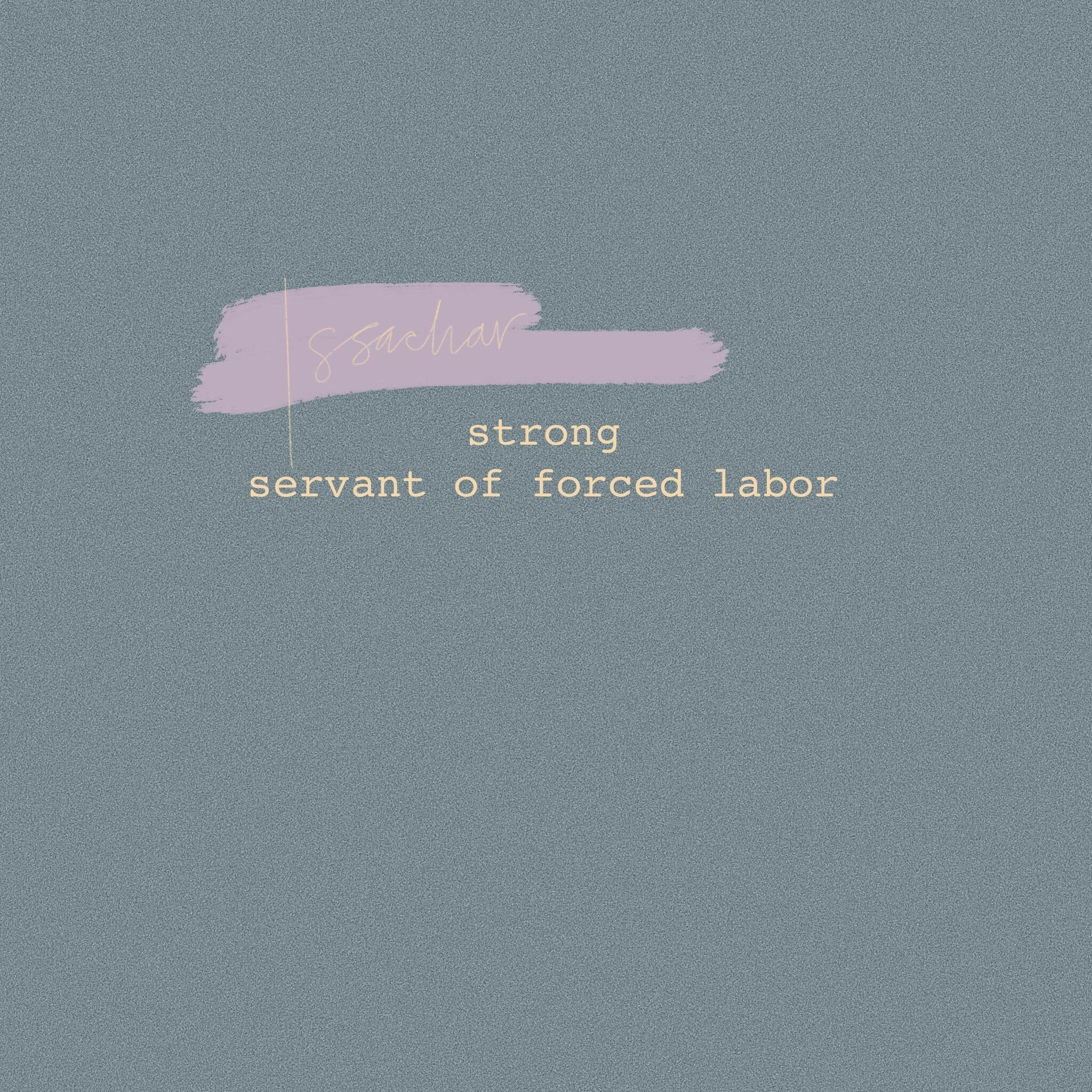




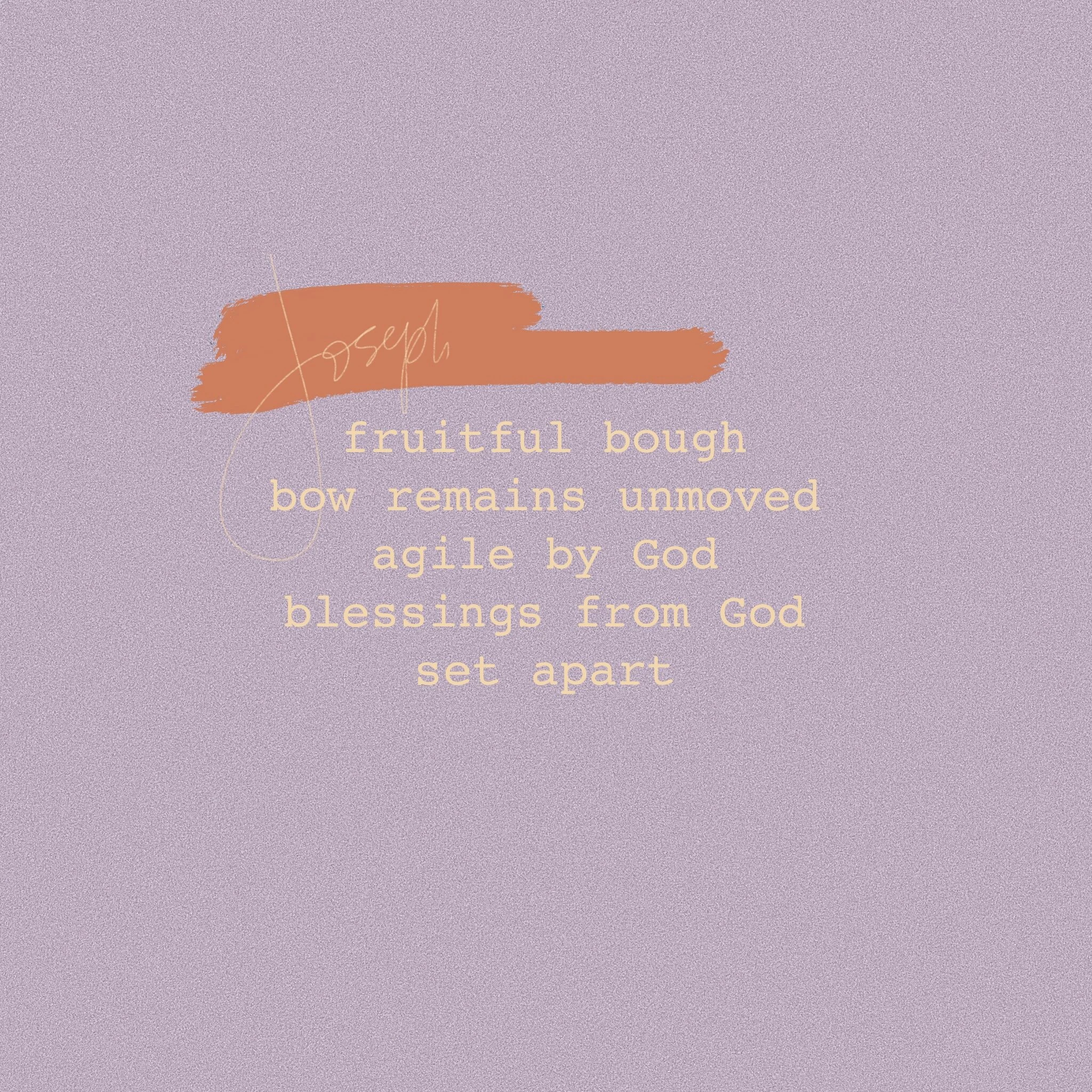

After Jacob died, Joseph’s brothers worried that he would become angry with them and try to get revenge for the pain they had caused him. All this did was cause Joseph sorrow, he saw God’s greater plan. He trusted God’s control. Joseph was not upset with his brothers. He saw that God had used the horrible things done to him to give him the perfect opportunity to bless the land and glorify God.

“As for you, you meant evil against me, but God meant if for good, to bring it about that many people should be kept alive, as they are today.”

You Finished Genesis!
Now that you have finished observing and interpreting, I would encourage you to reflect on the timeless truths you have found in the Word and to apply it to your life. Here are some questions to help bring Genesis home.