

Numbers



Numbers starts out with God directing Moses and Aaron to take a census of all abled body men of their people. A chief is appointed for each tribe and the census is taken. A year after they had left Egypt, God was getting the people ready to move into their promised land. Numbers is an epic story of the move towards God’s promise and how the people, in their sin, and God in His glory, moved forward. A census account was common in the Ancient Near East before a nation would go to war, this report also seems to show fulfillment of God’s promise to Abraham that his descendants would be as numerous as the stars.
Once the census was taken, God gave instruction on how the Israelites were to set up camp wherever they went and how they would leave camp whenever they left. Importantly, the Tabernacle, where God resided, was at the center of their camp always. Why would God ensure He was in the middle? What significance is the documentation of how the camp was arranged and how many fighting men they had? The story in Numbers leads through different locations as the Israelites are ready to move on from Mount Sinai and are preparing to get to their promised land. Why, before the story gets to them leaving camp, would it go into these details?


Authors will often use inclusions in their text to show what is important, the information between the repeated idea usually shows what makes it important to read. Chapter 3 of Numbers does this, the inclusion is based on the Levites taking the place of the firstborn males. At the beginning of the chapter God tells Moses to appoint the Levites to help Aaron with the tabernacle, that they were taking the place of all the firstborns. At the end, He tells them that the Levites are to be redeemed to the Lord on behalf of all the firstborns. Between these two commands to set aside the Levites, was instruction on what each tribe would do and where they would live in correspondence with the Tabernacle. This seems to show that there was a need for upkeep and protection of God’s holy place and that the Levites were the chosen people to do so. We learned in Leviticus that the holiness of God is to be revered and that the people could only come so close. God had to set these boundaries to protect the Israelites, by giving the Levites a specific role it seems to help keep all the people safe.

The repetition within all these books of the Law in the Bible of the idea that Moses and the people of Israel followed the commands of the Lord is important. This was the main thing God was asking them to do. He was giving them these Laws so that He could dwell among His chosen people. He wanted to be close to them and in order for that to happen, they needed to follow these guidelines that He set out for them. Their ability to follow through would also likely be recorded for later generations to see that following God’s command was good for them and what their forefathers did. Why would the idea that Moses followed God’s order to take a census of the people be included and important? Why would the Levites role need to be followed?

The beginning of Numbers is God preparing His people to move into their land and fight for His promise. The census taken would be common among nations in the Ancient Near East as a way to count their warriors and keep track of their victory in wars. The Laws that God then brings up again would might be specific to the Israelites as a sign that they were supposed to depend on God and His holiness to fight for them as they made their way to the promised land.
The Lord was setting the Israelites apart from the nations surrounding them so that they could be an example. In Numbers 5 and 6 He gives Laws that would honor commitment. First, He implemented a system to determine whether a wife was cheating on her husband so that they could ensure that marriage stayed pure. Then He creates the Nazarite Vow where people could set themselves apart for God and follow certain traditions in order to remain holy and close to Him. These both seem to do with jealous, whether human jealousy or God’s jealousy for humans, God was ensuring that people were set apart for specific reasons and that they would respect these covenants and vows they made. Why would God do this here as they are seemingly preparing for war?

The Lord blesses the people at the end of chapter 6. They have been set apart for the Lord and counted in preparation to leave Mt. Sinai. He says that the people should put His name upon them and that He would bless them. How encouraging would that be to know that you moved forward with God’s name as your emblem and security?
Take time to listen to this powerful song that took lyrics straight from this scripture in Numbers. Imagine the people preparing to move closer to their promised land and God giving them this encouragement. Then ask how this song and these words still apply to you today.
“The Lord bless you and keep you;
the Lord make His face shine upon you and be gracious to you;
the Lord lift up His countenance upon you and give you peace.”


Exodus gave orders for the building of the tabernacle, Leviticus gave instruction for the priests dealings in the tabernacle, and here in Numbers we read about the day that the tabernacle was set up and dedicated. At the end of Exodus Moses was unable to enter the tent of meeting, in Leviticus we find that there were laws to do with cleanliness and purity that needed to be addressed in order for the people to come near God’s presence. Now, at the end of chapter 7, Moses once again enters the tent of meeting and the Lord speaks to him. The people have dedicated their offerings, each tribe of Israel committing to God the same gift. Why would the author write this and end with Moses entering the tent of meeting once again?
Another interesting point to observe is that Exodus 40 gives us context that the tabernacle had been finished being built on the first day of the first month of the Israelite’s second year in the wilderness. The census that takes place before we read of the offerings that the Israelites made here actually took place after, on the first day of the second month of the second year. Why would the author switch around these events in the text?

Chapter 8 repeats instructions that were already written in Exodus and Leviticus. After writing that the tabernacle was set up and the people made their dedications, why would the author want to go into the specifics of the lamp stand and the Levites purifications once again? Right after this it also goes into the celebration of Passover. It seems like the author was trying to show that these traditions were meant to last and be remembered.
The Levites were dedicated as wave offerings to the Lord, taking the place of all the firstborns in Israel. A wave offering was made along with peace offerings which were made to honor the covenant with the Lord. Usually a wave offering was an animal that’s shoulder was waved and made holy, eaten by the priests, and the breast waved and eaten by the worshipper. This offering was a communion among all three parties, God, the priests appointed to remain holy in the sight of God, and all the people of Israel who desired to live in communion with God. Why would this be the offering that God describes the Levites as?

The Passover was such an important and powerful reminder to the Israelites of what God had done for them. It would be a time to feel connected throughout generations to what God did for His people when they were barely a people. It would be a time to remember that God brought them out of a seemingly impossible situation. It would be a time to celebrate and worship. In chapter 9 we read that some men were unclean from touching a dead body at the time that the Passover was celebrated. God, in His goodness, allowed them the chance to still participate. He declared that all who could should take part in the Passover. Whether away from Israel, or sojourners in the land, all that wanted to celebrate what God had done for Israel was welcome to.
God led the people of Israel. When they were settled, He was at their center. When they were on the move, He was at the front. He gave them instruction to create silver trumpets that would direct them in what they were to do at certain times, but they could be certain that they could follow where God led. He was moving in their midst and abiding in their camp. This was a time of promise and He was leading to the fulfillment of that promise. All of Israel was trusting that Moses would speak what God told Him to. This prophet had already brought them so much as they were establishing themselves as a nation and they were following God waiting for more.
At the end of chapter 10 we read that Moses’ father-in-law’s family was going to move back to their home nation. Moses urged them to stay with the Israelites and promised that what God did for Israel, they would also do for these Midianites that had been with them since leaving Egypt. Why would it be significant that God’s people would bless others as God did them?

The Israelites were so quick to forget the blessings God had given them. We read this in Exodus also, that the people would begin questioning why they left Egypt and what the point of being in the wilderness was. Here the people are tired of eating manna, forgetting that it was God who provided it for them in the first place when they were complaining of not having food after leaving Egypt. They seem to so easily forget their past in slavery and only focus on the luxuries they no longer have. Even Moses does this here, the people are grumbling and upset and Moses asks God why He made him lead all of them when they were becoming a burden to him. But God quickly answers both complaints. He gives Moses men to help lead the people and promises a months worth of meat for every Israelite. Why would God answer the people when they were upset and not thanking Him for the good things He had done for them?
God’s word to Moses and the Israelites was good. His design for them was to be in constant communication with Him. This is also why Moses is glad the God’s Spirit came on more of the people and men began prophesying.

The plague that the Lord sent once the people left the camp to eat the quail seems strange. God said He would give the people meat, He was the one that caused the quails to land there. Why would He then get angry and cause a plague to come on all the people that had eaten the quail? It could be because the quail were outside the camp on every side and, as we learned in Leviticus, outside of camp was meant for the people that were unclean. So if some of them left just to eat different food than the manna God was already providing, they were leaving the purified space where the Lord was just for a meal.
The text in these chapters shows God’s anger in a way we haven’t really read of thus far. He is affecting the Israelites in ways that seem harsh or confusing but when we look at it in context of what God has already done for them and who He is it makes more sense. He provided so much for the people of Israel and was setting them apart to be the ones He lived among. The people did not appreciate this fully and allowed simple things to distract them. We have already learned so much about God’s character and goodness, how does His anger and judgement connect with that?
The Israelites got so distracted by their own complaints in the wilderness that, when they sent spies into Canaan to look at the promised land, they didn’t believe they had the ability or power to take it. What they forgot was that God promised it to them. God’s promises are good and He is faithful to keep them. Caleb was the only spy to believe in what God said but it wasn’t enough to convince the other Israelites. How could these chosen people who had seen God send plagues on an entire nation, part an entire sea, and feed an entire camp of thousands, not believe they were capable of taking this land?

Chapter 14 is a turning point in the story of the Israelites that escaped Egypt. God had been preparing them for battle, getting them ready to take the land that He promised them. But, the minute they sent men in to see if the land was good, they let what they saw affect what they believed about God’s word. The two spies that trusted God’s promise told the people that when the Lord delighted in them they could be confident that He would fight for them. However, when the people complain and Moses has to once again intercede on their behalf so that they could live, the are told that, because they turned from God, He turned away from them as well. This wasn’t God turning away forever, He was still going to be with His people but the ones who refused to believe in His promise after all that they had seen of His miracles in Egypt and the wilderness were not going to enter the promised land. Even though this is what they had been waiting for. Even though this is what God was getting them ready to do. The ones that did not believe did not get what was promised.
The theme of the sojourner being a part of Israel and welcomed into traditions is important. The Israelites had been sojourners in Egypt, Abraham had been a sojourner in Canaan, they knew what it was like and God was ensuring that they treated others how they should have been treated.
Though the Israelites weren’t a very good example most of the time, they were still meant to show the rest of the world how to live close to God and what that would do for them. When Moses was interceding for the people, he reminded God that the other nations would see what happened to them and it would effect their view of Him. The sojourners were meant to be welcomed in and treated equally to show the rest of the world that that was how it was meant to be done.
Why would this be important to God? Why would this be important for God’s chosen people to read? How does this relate to Genesis and the creation of humans?
After repeating laws about sacrifices and offerings and making sure the people knew that all were invited into these rituals, a man was caught working on the Sabbath and the Lord had the people stone him. Then God told Moses that the Israelites should start putting tassels and cords on their garments in order to have a physical reminder to keep His Law. Why would it be so important that the people kept the Sabbath? Why would the physical reminder of God’s Law be necessary for the people? Why would these paragraphs come right after the spies came back and the people were told they weren’t going to enter the promised land in the text?

Numbers begins to be a story of the people of Israel’s quarrels with God. They constantly looked at the bad in their situations and tried to blame Moses and God for what happened to them. Korah, a son of Levi, and some of the sons of Reuben accused Moses of putting himself above the other Israelites. Moses was God’s prophet, the man who voiced all that God had to say to the people. God had given him a specific role that was meant to bring all of Israel closer to Him but some of the people had problems with this. Moses, knowing that he could do nothing on his own to sway the men that were against him, told the people to take the issue to God. God showed the people that questioning Moses’ position was questioning God’s word. Then, when the Israelites got upset that it was Moses’ and Aaron’s fault that Korah and his men died by the hand of God, it was made clear once again that it wasn’t Moses exalting himself or Aaron giving him self a better position, it was God using them to reach the rest of the people. Why would God need chosen people to do this through? Why couldn't everyone hear from God and have a say in His Law? Why would these stories of distrust among the Israelites be recorded for their future generations?
God showed the people that He chose Aaron and the Levites for the special role of the priesthood. Then it goes into more of what the priests got because of their role. They were set apart from the rest of Israel, their inheritance didn’t look like the rest. God was telling them that they were being used for a special purpose, a purpose we read about in Leviticus, and they were therefore given closest access to Him. He was their inheritance. When they went into the promised land He would be near them and they would get to help bring all the other Israelites closer to Him. Though laws and rituals are repeated quite often through these first books of the Bible, they all have a reason for being written where they are.

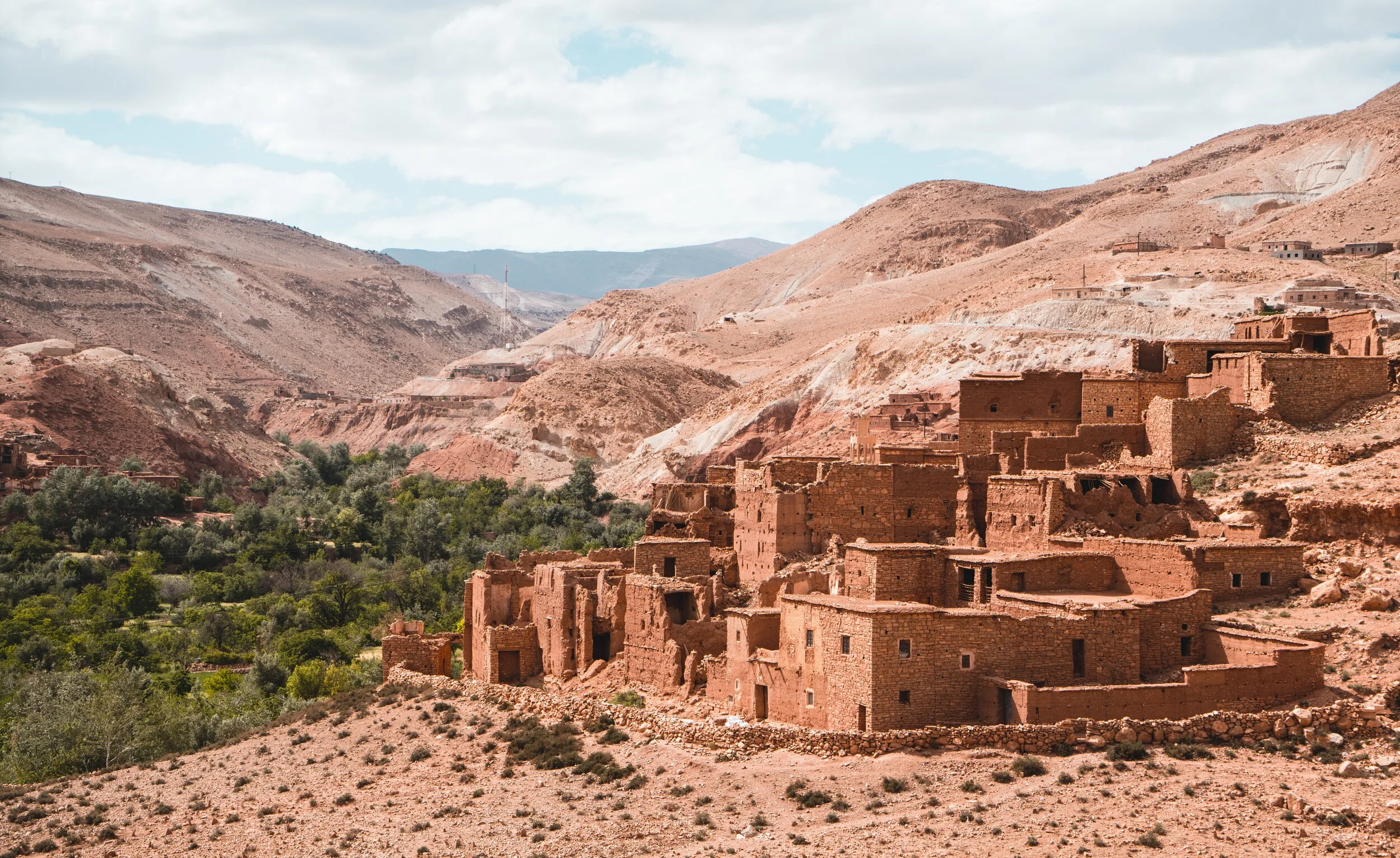
The cleanliness of the people was God’s priority for Israel. Among His Laws there were plenty on what was considered clean and unclean when there was a dead body, these laws are repeated in Numbers 19, right before Miriam and Aaron died. Why would these go together in the text? It is also important to ask why God would cause so many things and people to become unclean when they were around something dead. What does this say about God’s character and His thoughts on death?

The Israelites once again complained to Moses about God not taking care of them in the wilderness. When Moses brought this to the Lord, God told him they would have a way to drink water. He commanded Moses to speak to a rock and it would provide the people with water.
There are some rocks in the wilderness that are porous and can hold water in them, likely the rocks around the Israelites carried water. Instead of Moses speaking and using God to give the people water, he struck a rock and it provided water without the need of God. Why would God be upset with Moses for doing this? It leads to God telling Moses and Aaron that they would not get to enter the promised land either. Why would these grumblings and distrust cause the people to miss out on God’s promise for their nation?
As the people moved through the wilderness towards the promised land, God didn’t give up on them. Even though they continued to complain and they were already told they wouldn’t be given the promised land, God stayed with them and showed them favor over surrounding nations. He was following through on the promise He had made to Abraham. Through this time it is also recorded that God was still not letting them slide for their complaints. The bronze serpent was set up because the people grumbled against God and snakes came after them. This portion of the text is filled with the triumph and downfall of the Israelites. Why would the author mix these themes together as they wrote of the people traveling through the wilderness?


Divination, sorcery, and prophecy in the Old Testament are very different. God spoke through prophets to Israel to bring them closer to Him. It is unclear what exactly Balaam was but it does say that the King of Moab was seeking him out to curse Israel. This curse would go against God’s plan, which he tells Balaam so he alters his course and speaks for the Lord to Balak instead of against Israel.
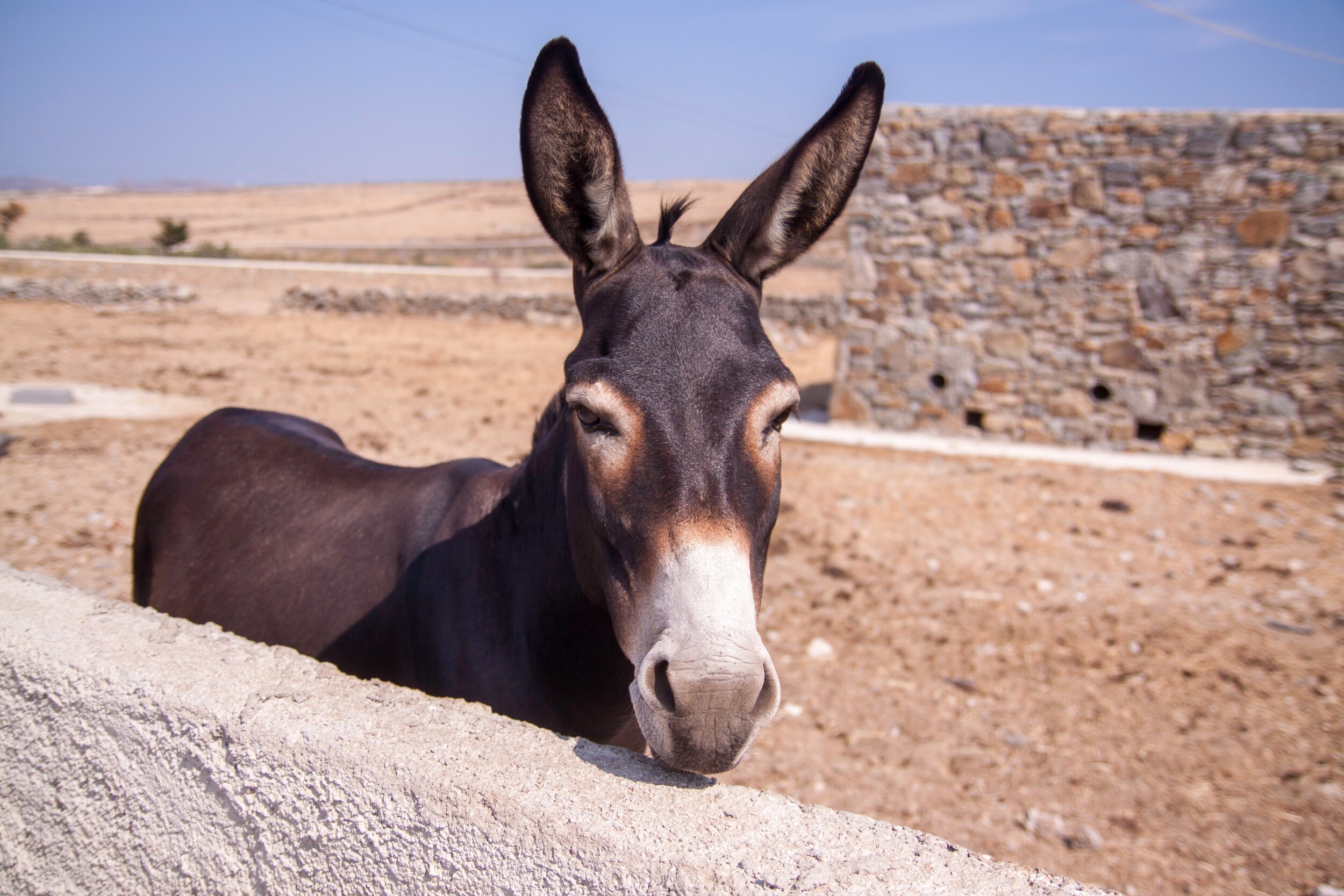
The story of Balaam’s donkey is telling of his awareness of the Lord. God had already appeared and spoke to him, but when he was on his way to the King of Moab, his donkey saw clearer than he did. God was standing in the way to protect His people and Balaam’s donkey would not pass. The donkey even says that it had been faithful to its master, it was just following the Lord instead of a man.
Balaam is brought to a mountaintop to view and curse the Israelites but as he was up there, God used him to bless His people. These blessings are written in the form of oracles. We will read many more of these when we get into the prophets later in the Old Testament, there are three main oracles used in the Bible. Balaam speaks promise oracles over Israel. These oracles speak of a promising future for Israel, a time where there will be peace and prosperity and blessings. They often have to do with radical changes that will come. To help understand these oracles, you can ask what changes are being promised, what are the specific blessings, and record when they are fulfilled. God’s blessings over Israel are abundant! Why would He send others to bless them as they were in the wilderness?


God’s jealousy for His people comes from His desire to have a relationship with them. He had already given the Israelites a law saying they were not to worship other gods. He saw the people ignoring His command and doing one of the main things He asked them not to. When Phinehas became jealous for the Lord, God took away the plague He had inflicted on the sinners. Phinehas was likely close to God’s heart as all the Israelites should have been. Because of His actions, God’s wrath subsided and many people were saved. Though many Israelites had sinned, it took one man’s zealous action to pacify the Lord. God is not for death and violence, it is the natural response to sin and He is the perfect judge, but it only took one good work to offset the sin the people had committed.

God had Moses take another census in the wilderness after the Israelites had traveled from Mt. Sinai and settled near Jericho. So much had happened in the time, the people had complained and disobeyed God so many times. They had lost many people in the course of their travels and their disobedience, and all the people in the census from the beginning of Numbers had lost their chance at entering the promised land. This new census didn’t even include any of them except the two spies that had believed God’s word. The first census was taken and was likely meant as a war census, to account for all the men that would fight in their battle with the Lord for their promised land. This new census was to reassess what the nation looked like after their time in the wilderness. Observe and compare these two accounts and ask why they would even record both within this book.

After the census of the Israelites was taken, the women left with no male family members brought the question to Moses and the Lord about what would be done with the inheritance their family line was due. Family names were important in the Ancient Near East, and so was the preservation of the different tribes in Israel. The women wanted to ensure that they were not left out of God’s promise because there were no males left over. Moses brought the question to God and God told him that the daughters were to inherit the land and that this statute would follow for any others in a similar situation. It didn’t give women the chance to inherit land immediately, this is still the 2nd millennium BC which was an entirely different culture and experience, but it did include them and it ensured that they had rights in a form of inheritance. Why would it be important for the women of the time and why would be included after the census taken here at the end of Numbers?

With the people of Israel near the promised land, God sent Moses up another mountain to transfer his authority over to Joshua. Joshua would be the one to lead the people into the land and speak on God’s behalf. Moses obeyed the Lord, knowing that God’s word was final and that He was Lord of all even when His people didn’t listen to Him.
Sacrifices took place every day in Israel and celebrations and festivals were common as well. The author of Numbers lays all of these offerings, sacrifices, and festivals out here after the census. These offerings would ensure that it would be incredibly hard not to remember the Lord in the midst of Israel. God was setting them up and preparing them to become a nation and to have actions in place to always have Him near and worshipped. Why would the author include this here when the people are still in the wilderness? Why would God remind the Israelites that wouldn’t be entering the promised land of these acts of worship they were to take as they became a nation?

Vows and the life of women in the early Israelite community are addressed at the beginning of chapter 30. Men could make vows to the Lord at any time and it was their decision. For women, they could make vows but their husbands could decide whether they were to follow through with it. First, we see that women weren’t excluded from making vows, they were aloud to communicate with the Lord and have this relationship with Him, but, notice that verse 15 states that if the husband or father does decide to void the woman’s vow, he was responsible for her iniquity and what came of the situation. This was something that God would forgive the woman for doing, but He gave the man in her life responsibility for breaking the vow and a responsibility to take care of his wife or daughter.
Balaam, along with the rest of the Midianites, was destroyed by the Israelites. After the people of Israel had plundered all of Midian and kept the women and children alive Moses reminds the people that it was Balaam who advised the Midianites to seduce the Israelites. The people were so determined to curse God’s chosen people that they found a way around Balaam’s blessing. This caused the People of Israel, who were already so bad at following God’s command, to stray even farther away from Him. Though it is incredibly violent to have all the people completely destroyed, this was in response to all the sin that they had committed and how they were causing the downfall of the nation God chose to be an example to everyone else. God had already shown the Israelites multiple times that their bad decisions would not go unpunished but now the other nations were seeing that God’s word was true and His judgement was not to be taken lightly.

By the end of Numbers, we are reading of the new generation of Israelites. Chapter 32 makes a clear distinction between this generation and their parents. Where the elder Israelites wouldn’t trust the God’s word, the younger promised to follow the Lord’s plan through even when they were ready to settle outside the promised land.


The distance between Egypt and Israel is only 380 miles, this means the trip to the promised land after the Exodus should have only taken 11 days. God had the people stay at Mt. Sinai for a while to receive the law and become established as a free nation, but this does not account for the 40 years. The Israelites wandered in the wilderness because of their sin and failure to follow through or trust God’s command. Chapter 33 of Numbers shows that the people ended up all over the place and a whole new generation was born to recount the law to before they could even take their promised land.
After writing an account of where the people had been, they add details of where God was sending them. God’s provision is laid out clearly in this chapter and it shows that the people knew what to expect as they entered the promised land and that they could understand what their portion would look like. God was continuously setting the Israelites up for success as they became a nation before they even had taken the land that would be their home. Why would God be so clear on what the people would get before they were even fighting for it?
The last chapters of Numbers deal with inheritance and God’s plan for the people of Israel as they entered the promised land. It also goes into the justice system He was establishing among them. At the end of chapter 35 He reminds the people that they were not to defile the land because would be dwelling among them. His presence and all that He had started with them in the wilderness would be moving into the cities with them. They weren't to forget all that God had spoken to them at Mt. Sinai. This new generation of Israelites were meant to live out the promise in its fullness. Why would the author include God talking to the people about murder and cities of refuge right here at the end of Numbers?


You Finished Numbers!
Now that you have finished observing and interpreting, I would encourage you to reflect on the timeless truths you have found in the Word and to apply it to your life. Here are some questions to help bring Numbers home.